
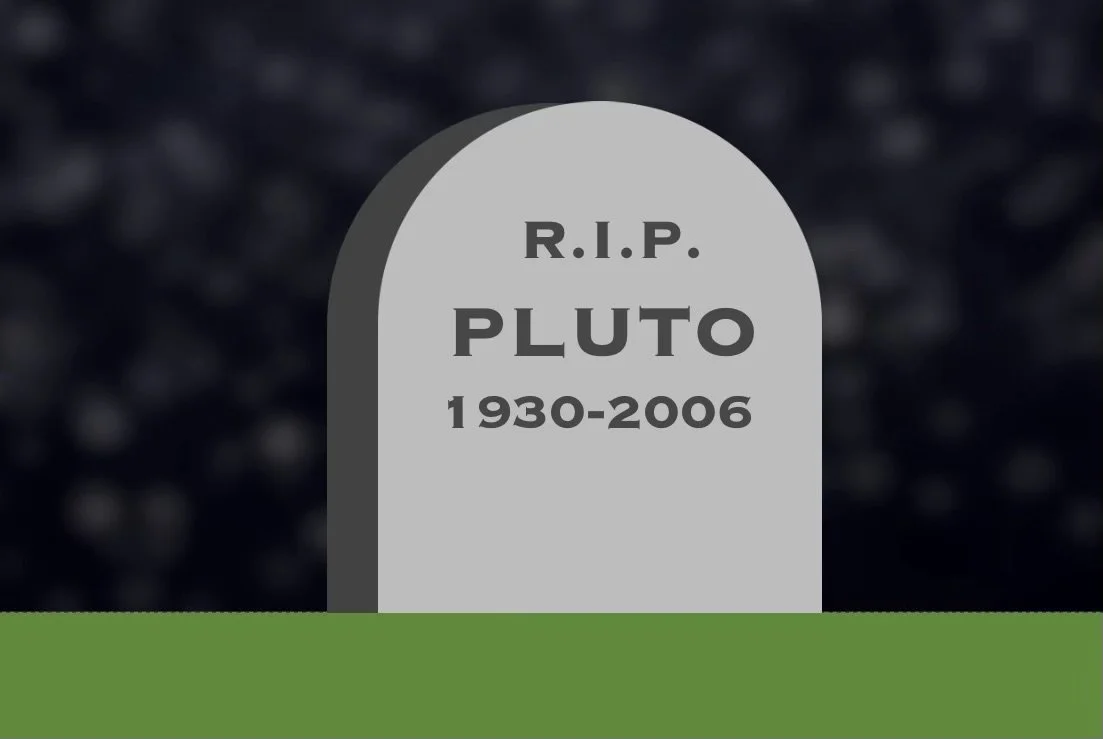
The Destroying of Everyone’s Childhood
Today is the 20th anniversary of everyone’s favorite planet getting the big, ugly axe. Let this act as a eulogy for our dearly departed Pluto and the loss of our collective innocence.
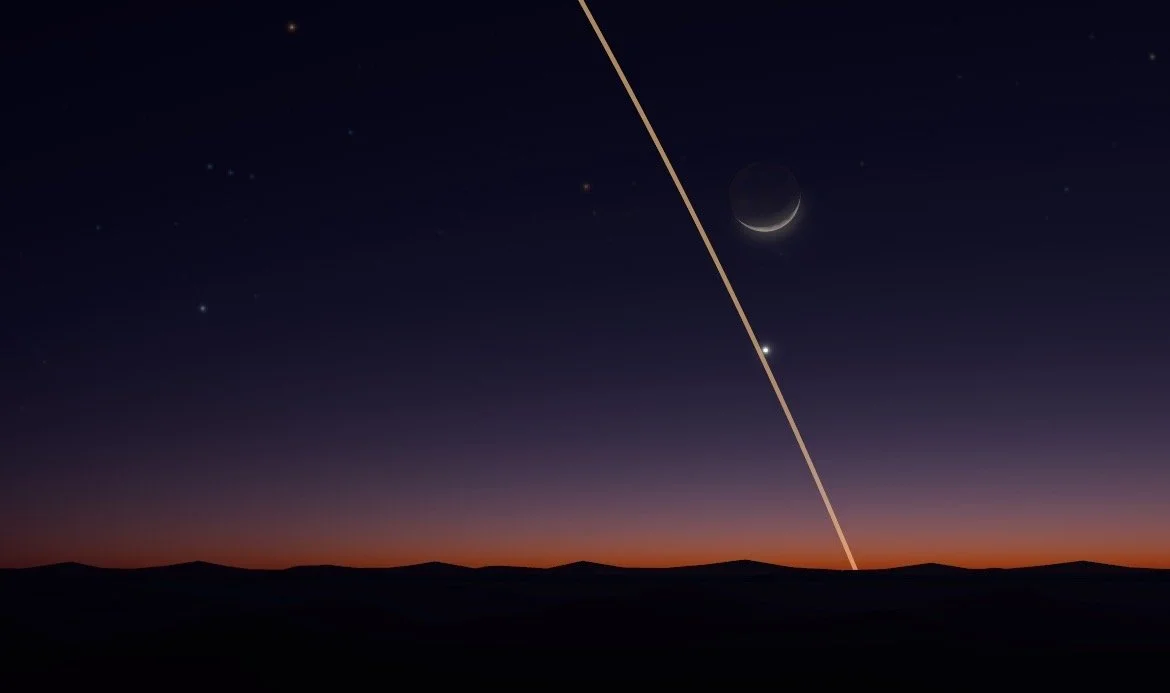
Tilting the Ecliptic
If you watch the planets rise and set, you’ll notice they sometimes climb or fall steeply, and other times nearly skim the horizon. This comes from a subtle bit of celestial geometry which can help you predict celestial motions and visibility.
The Science (& Fiction) of Star Wars: Part 3
Let’s explore some more things from the Star Wars universe and how they relate to real astronomical concepts.
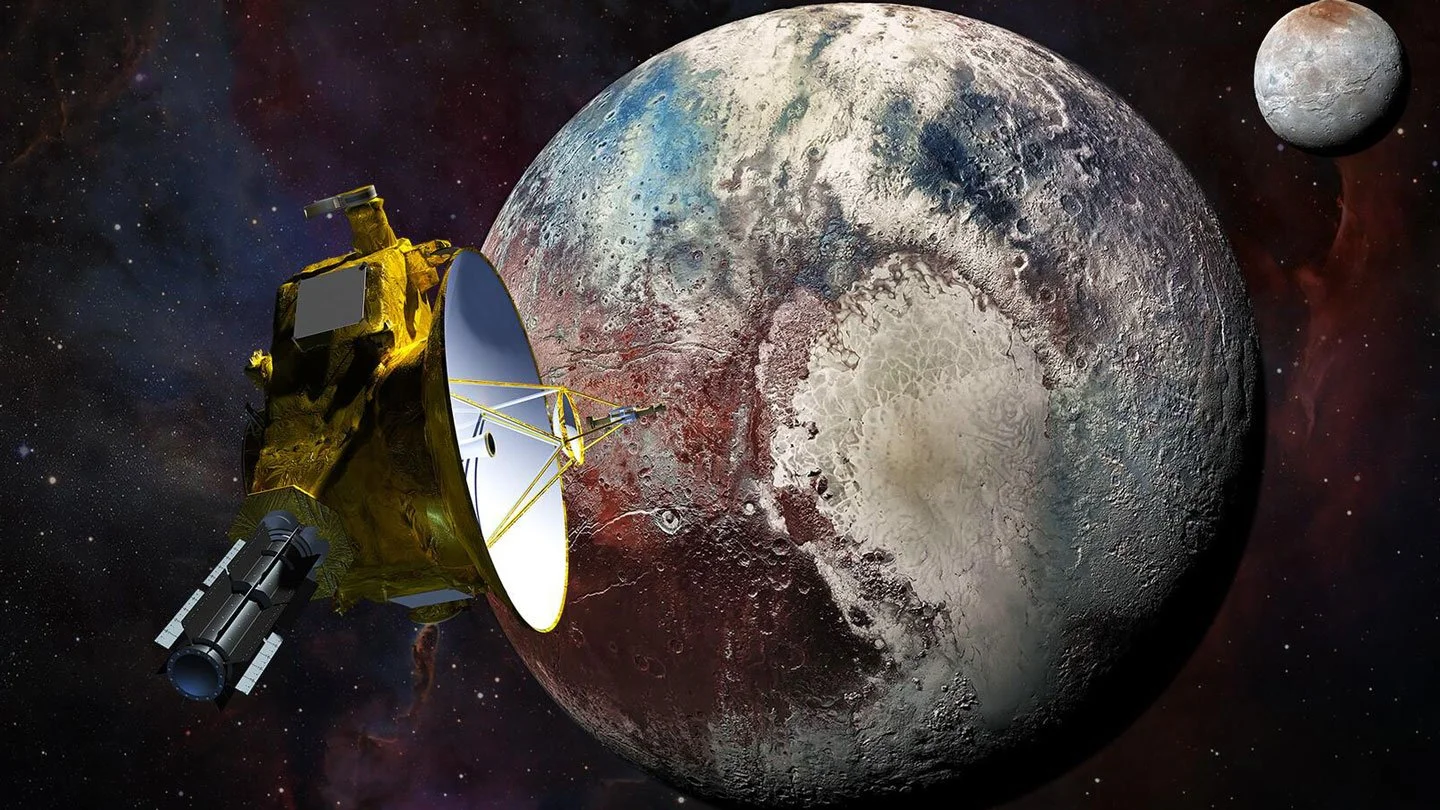
New Horizons
Twenty years after its launch, New Horizons remains the only spacecraft to visit Pluto. Let’s follow its journey to transform the dwarf planet from a distant, pixelated blob into one of the most beautiful and diverse worlds ever seen in high resolution.
What’s Ahead in 2026?
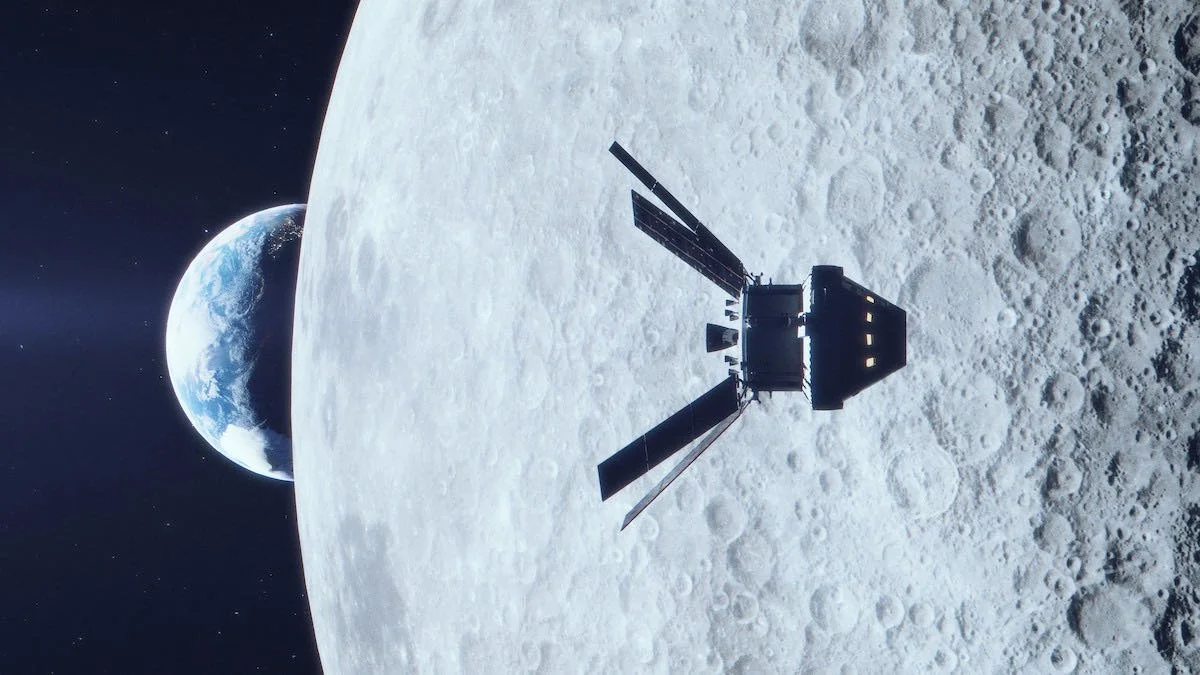
Happy New Year! With 2025 in the history books, it’s time to look ahead to 2026.
Looking Back at 2025
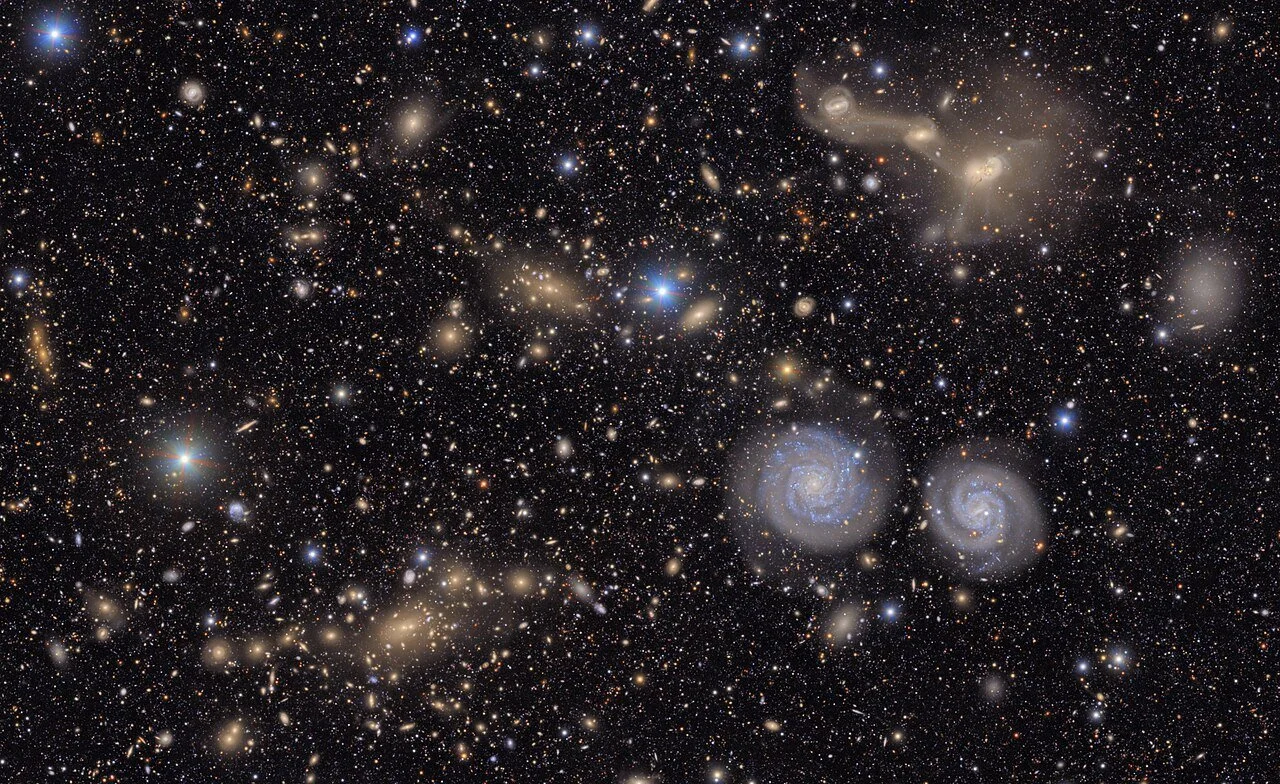
2025 is at an end and what a year it was! Let’s look back at some of the more notable things that took place in the world of astronomy.
Why Closer Isn’t Always Clearer
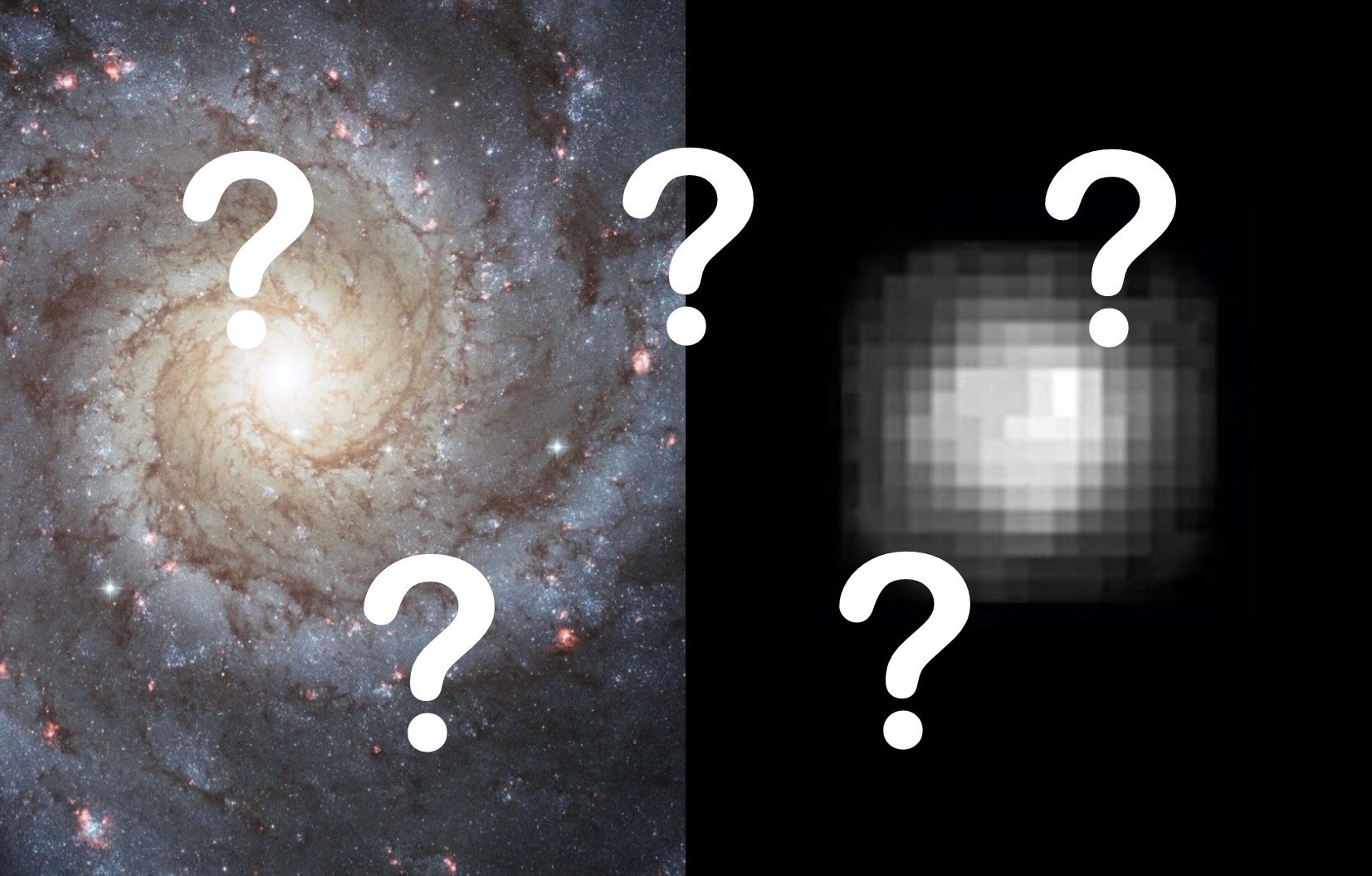
A common misconception surrounds the ability of modern telescopes to resolve great detail in far away galaxies while struggling with some objects in our own solar system. Let’s see what’s going on here!
Milankovitch Cycles
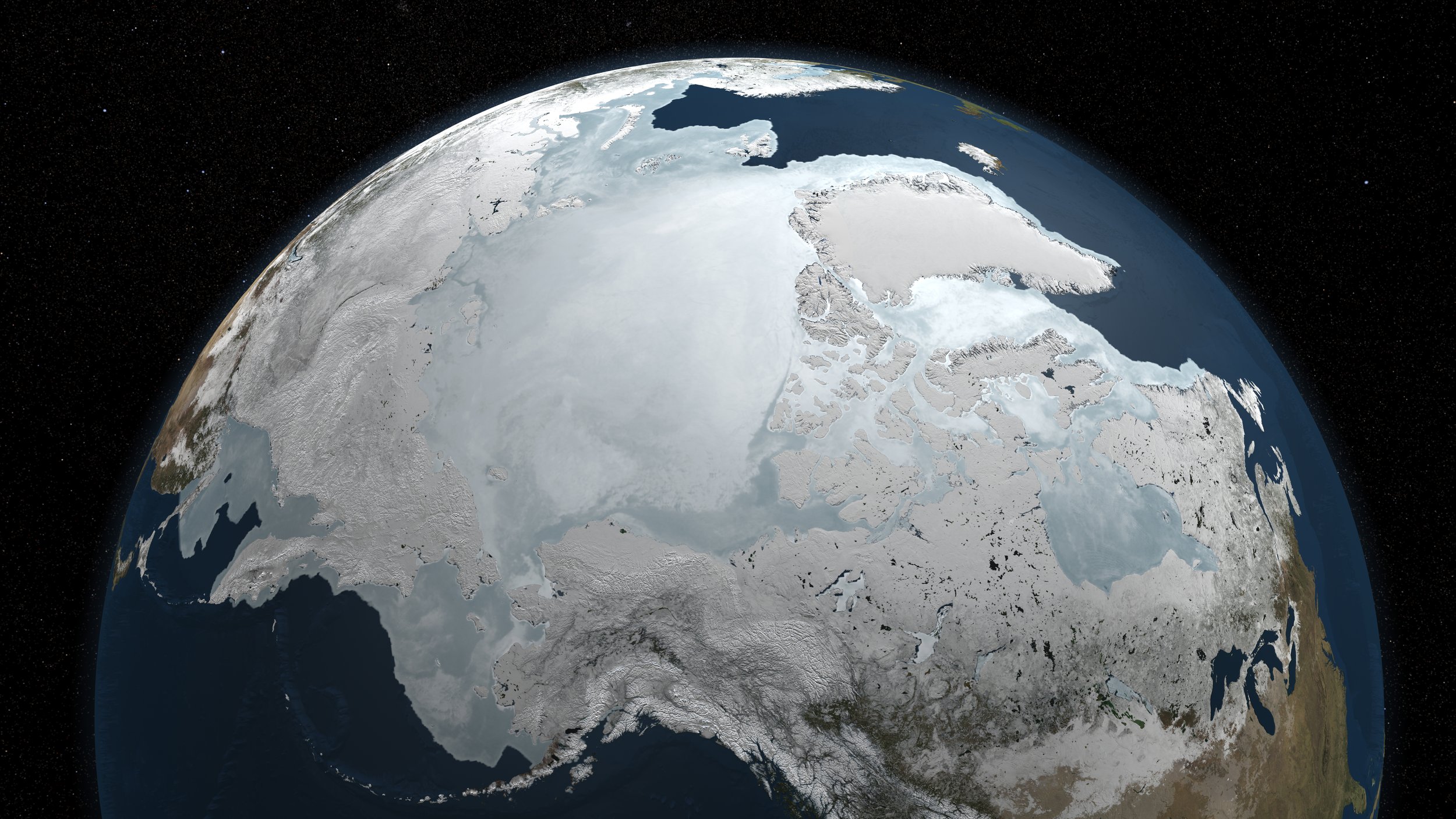
What are Milankovitch cycles? How do they guide the Earth’s climate from ice age to ice age? How do we know they aren’t responsible for global warming? Let’s dig deeper!
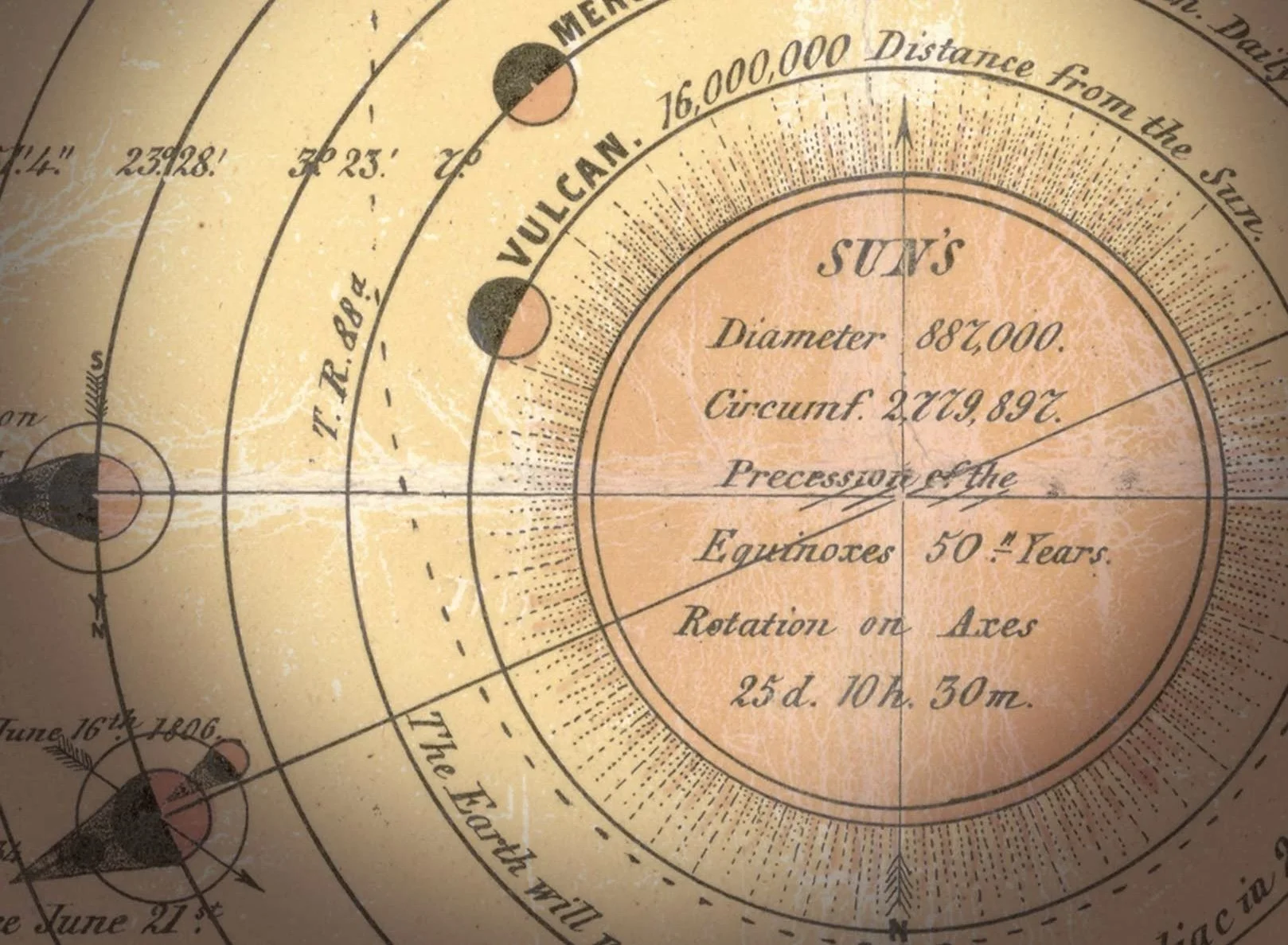
The Hunt For Planet Vulcan
Throughout the late 19th and early 20th century, an anomaly in physics led astronomers to frantically scour the daylight in search of a mythic and elusive world of scorching fire. The truth ended up being stranger than any of them could have imagined.

Eye Astronomy #14: Motion Overhead
In space, everything is always moving. So why do the stars seem to be fixed in place? By considering the pokiest naked-eye planet, we’ll soon find out!

A Constellation of Sciences
Much of astronomy is thought of as simply looking up at the beauty of the night sky but it actually shares a lot of space with all the other sciences. Let’s explore how the study of the cosmos intertwines with geology, computer science and even psychology!

The Science (& Fiction) of Star Wars: Part 2
Let’s explore some more things from the Star Wars universe and how they relate to real astronomical concepts.

The Science (& Fiction) of Star Wars: Part 1
Happy Star Wars Day! In the spirit of May the 4th, here’s a couple of fun little things about the Star Wars universe and how they relate to real astronomical concepts.

Is Space Really Cold?
Let’s explore how hot or cold space is in different places and debunk some misconceptions about temperature in space!

What’s Ahead in 2025?
With 2024 wrapped up, it’s time to look forward to what is to come. We are seeing the dawn and progression of many ambitious science missions and a lot of fun things happening with the moon and planets!

Looking Back at 2024
2024 is at an end. Here are some of the more notable things that took place over the last year.

Why do planets sometimes move backwards?
As you watch the planets drift across the night sky throughout the year, you’ll notice that they periodically seem to stop and reverse direction before righting themselves again. This is really strange! Why does that happen? We’ll walk you through what’s actually going on! It’s simpler and more intuitive than you might think!

The Europa Clipper Mission (Updated)
The Europa Clipper mission has launched! If you haven’t heard of this, don’t worry! Read here to learn what it is and why you should be excited. For updates on the mission’s progress, check the very bottom of the article.

The Discovery of Neptune
Neptune is the first planet to be mathematically predicted before its eventual discovery. Find out how the hunt for the eighth planet demonstrated the awesome power of science, math and cooperation.

Eye Astronomy #2: The Planets
Discovering the planets with just your eyes.