
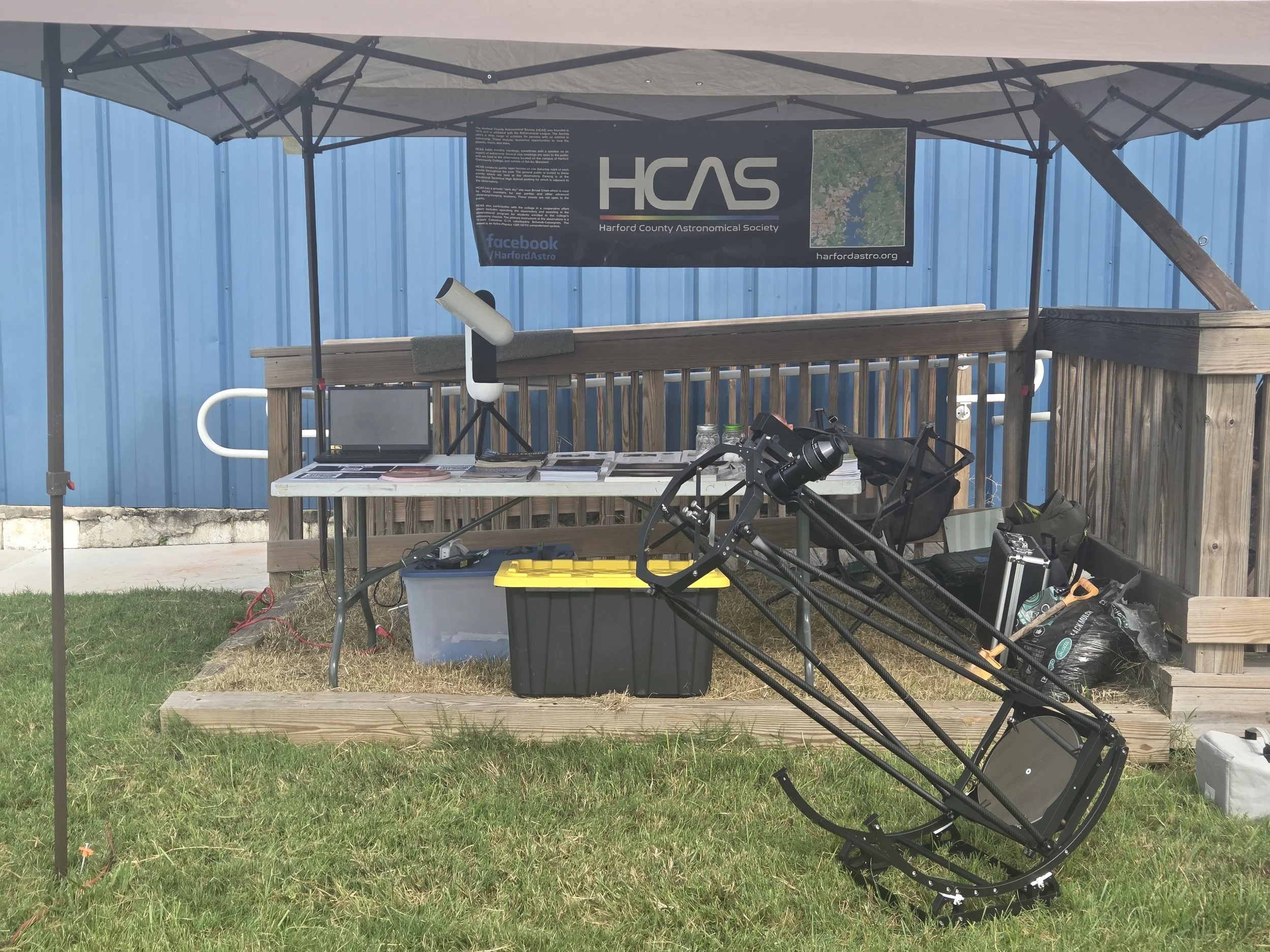
Magic of Science Outreach Event
HCAS recently participated in the Magic of Science Fun-Sized Festival at the Discovery Center at Water’s Edge!

Star Trek: Why The Future Is Bright
As we observe the 60th anniversary of Star Trek, we should take time to celebrate why its vision of the future is more important than ever before.
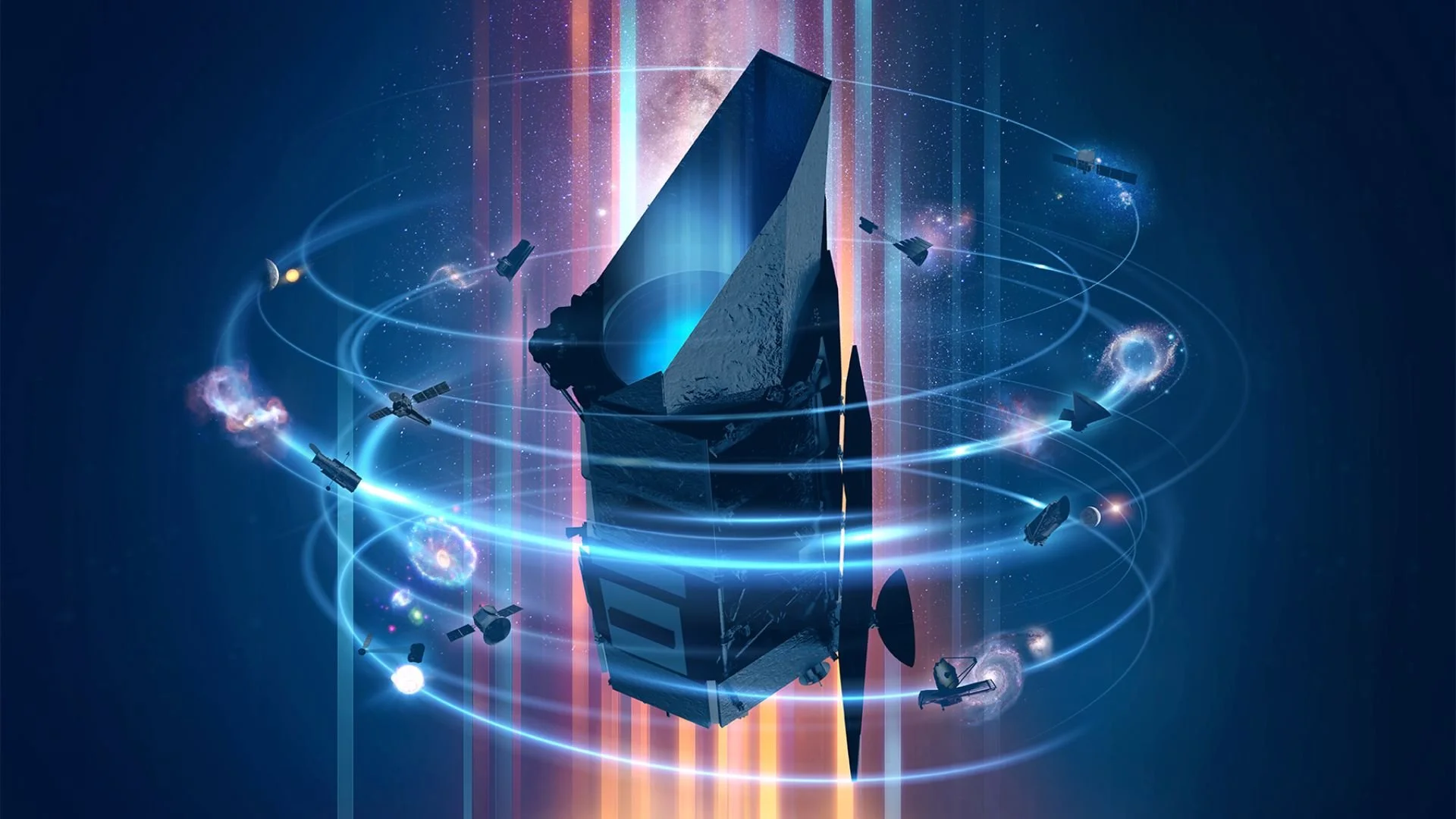
The Nancy Grace Roman Space Telescope
The Nancy Grace Roman Space Telescope launches tomorrow. Let’s take a closer look at how this next-gen observatory will attempt to answer fundamental questions about the universe at the largest scales!
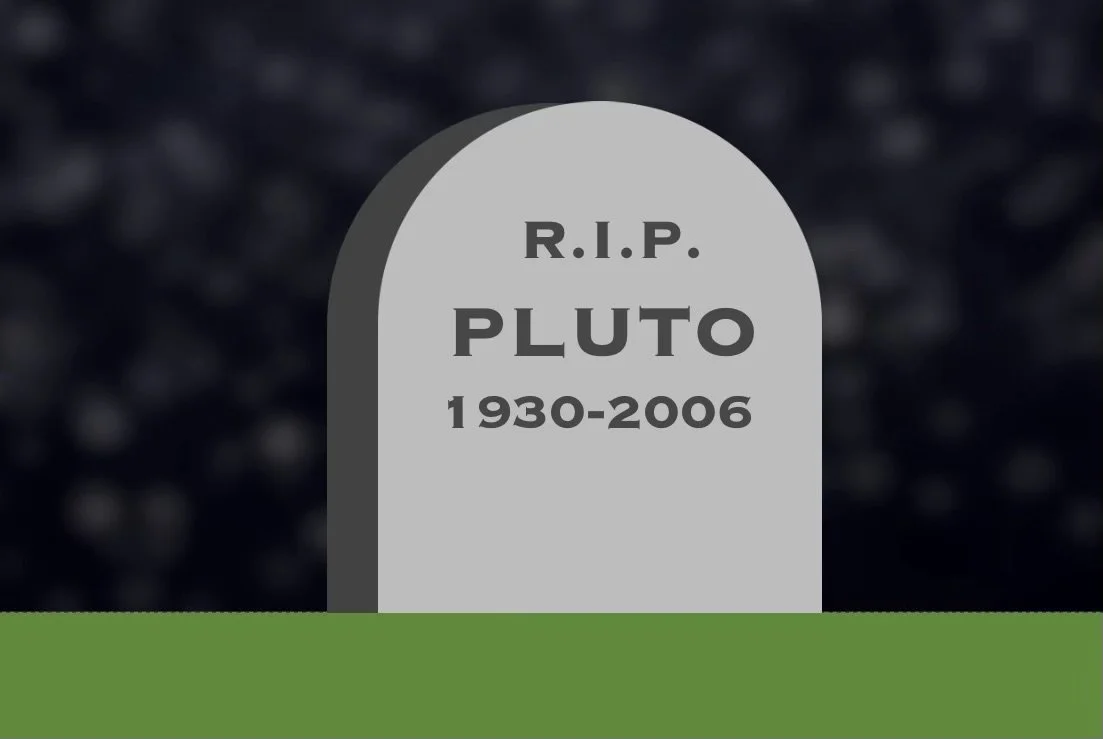
The Destroying of Everyone’s Childhood
Today is the 20th anniversary of everyone’s favorite planet getting the big, ugly axe. Let this act as a eulogy for our dearly departed Pluto and the loss of our collective innocence.
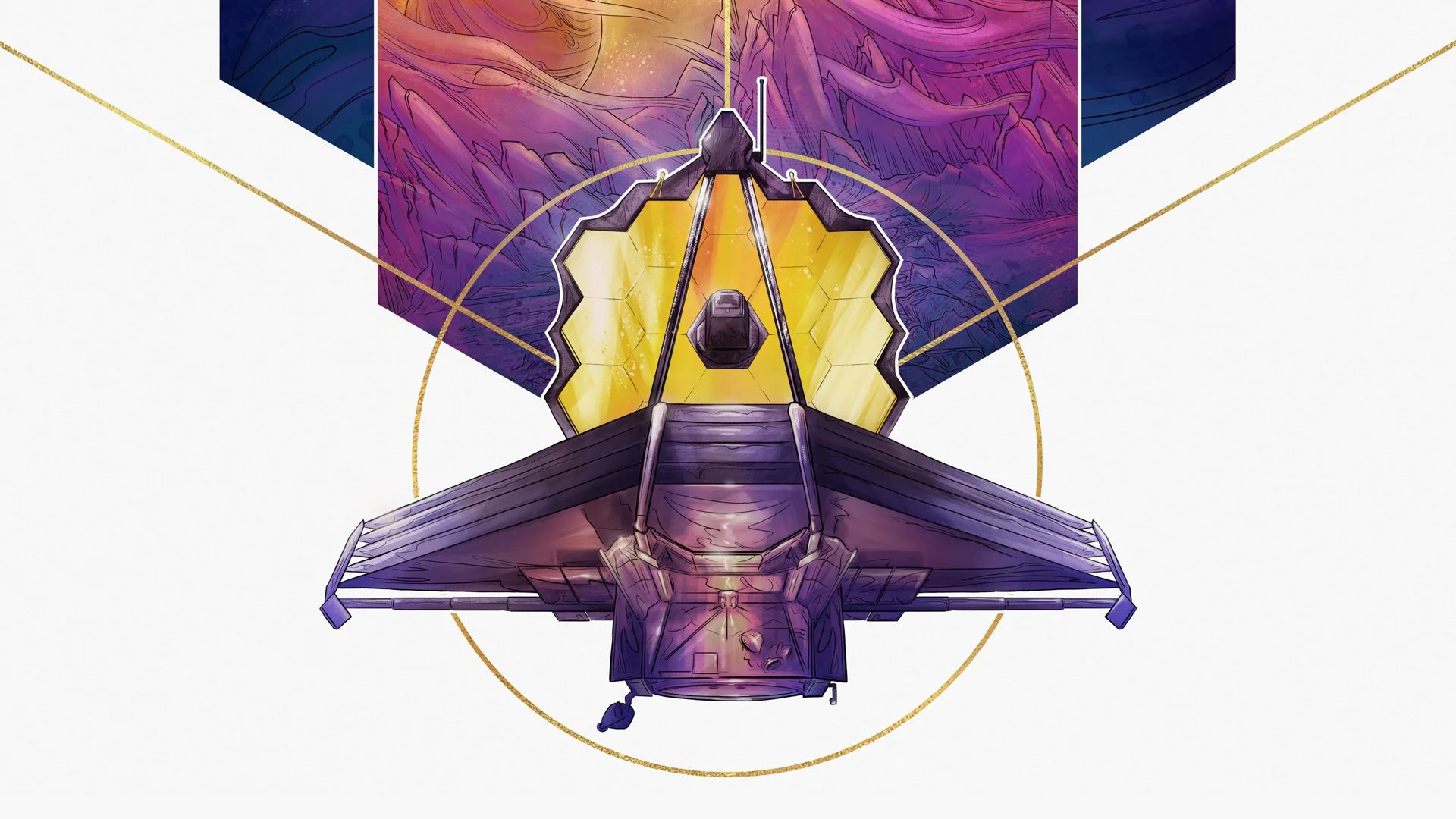
The James Webb Space Telescope (2025-2026)
The James Webb Space Telescope is one of the most advanced space observatories in history. Let’s take a closer look at how this telescope works and some of the most stunning images it has produced between 2025 and 2026.
Note: Link to 2022-2025 in article.
FY 25-26 Financial Report
A brief overview of HCAS’s finances for the Fiscal Year 2025-2026.
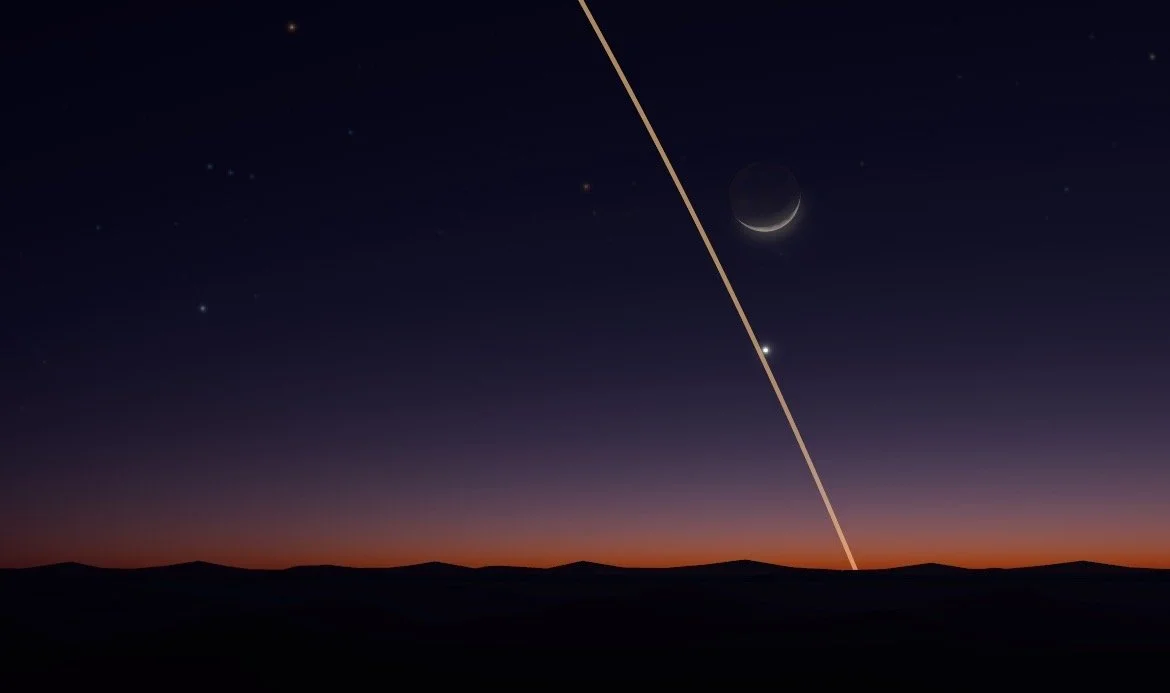
Tilting the Ecliptic
If you watch the planets rise and set, you’ll notice they sometimes climb or fall steeply, and other times nearly skim the horizon. This comes from a subtle bit of celestial geometry which can help you predict celestial motions and visibility.

The Science (& Fiction) of Star Wars: Part 3
Let’s explore some more things from the Star Wars universe and how they relate to real astronomical concepts.
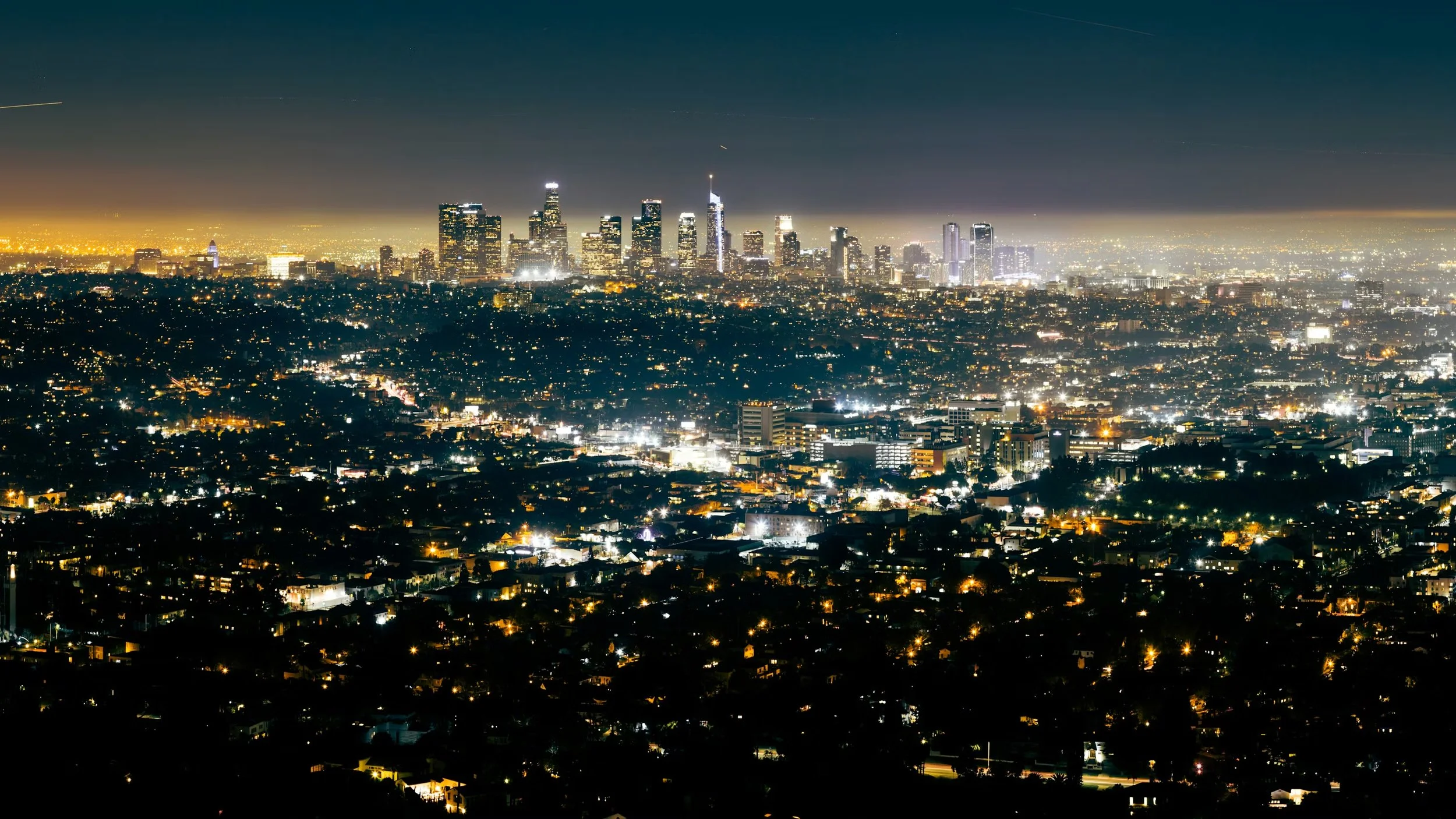
Keeping The Night Sky Dark
In observance of International Dark Sky Week, let’s dive deeper into what light pollution is, why it’s harmful and what we can do to address it as individuals and as a community.
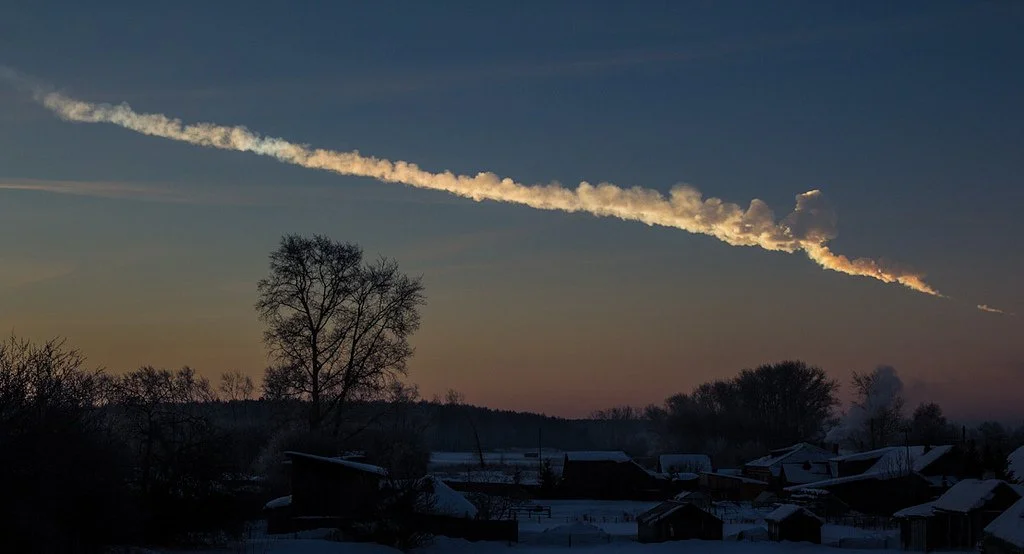
Chelyabinsk: Chaos Over Russia (Again)
In 2013, a large meteor exploded above the Russian city of Chelyabinsk. It is the most significant instance in history of a meteor causing widespread injuries to humans. It was not only witnessed by millions, but captured on video.
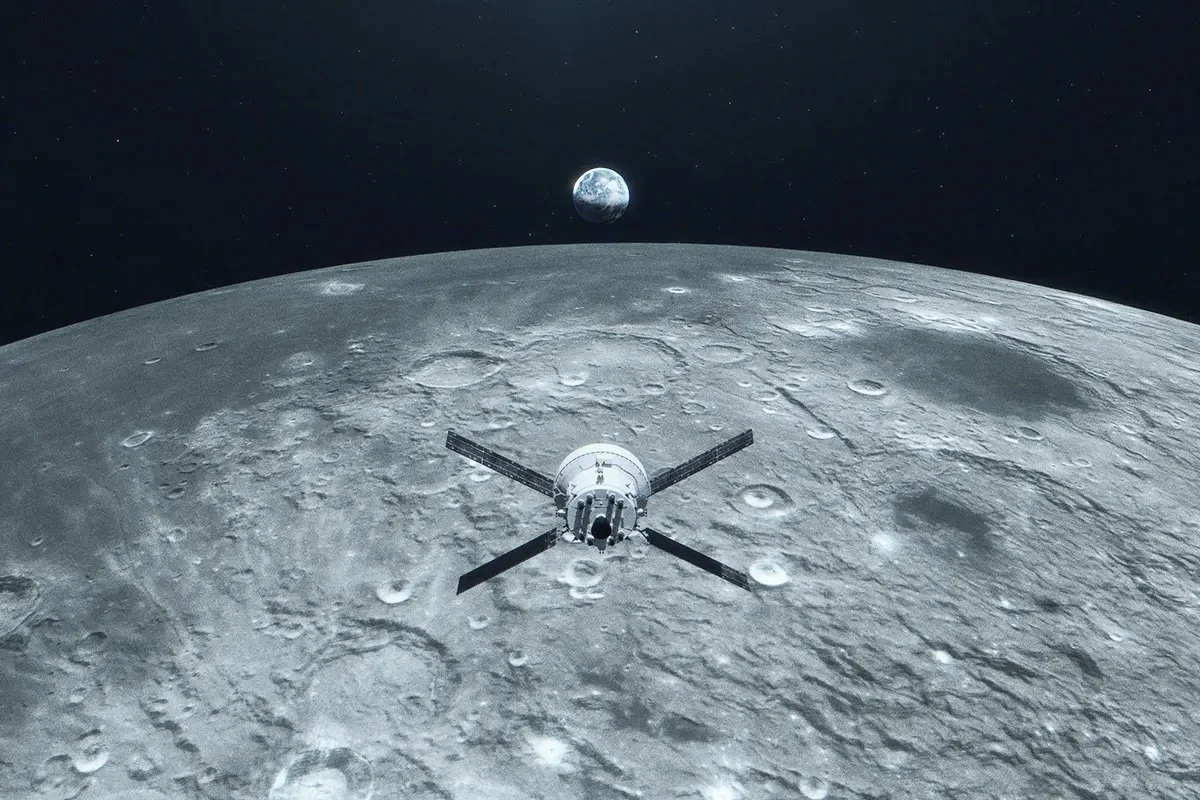
The Artemis II Mission (Updated)
NASA’s Artemis II mission sent astronauts around the Moon for the first time in over half a century, paving the way for a future lunar landing. Let’s dive into how we got here, how the Artemis II mission actually proceeded, and what comes next!
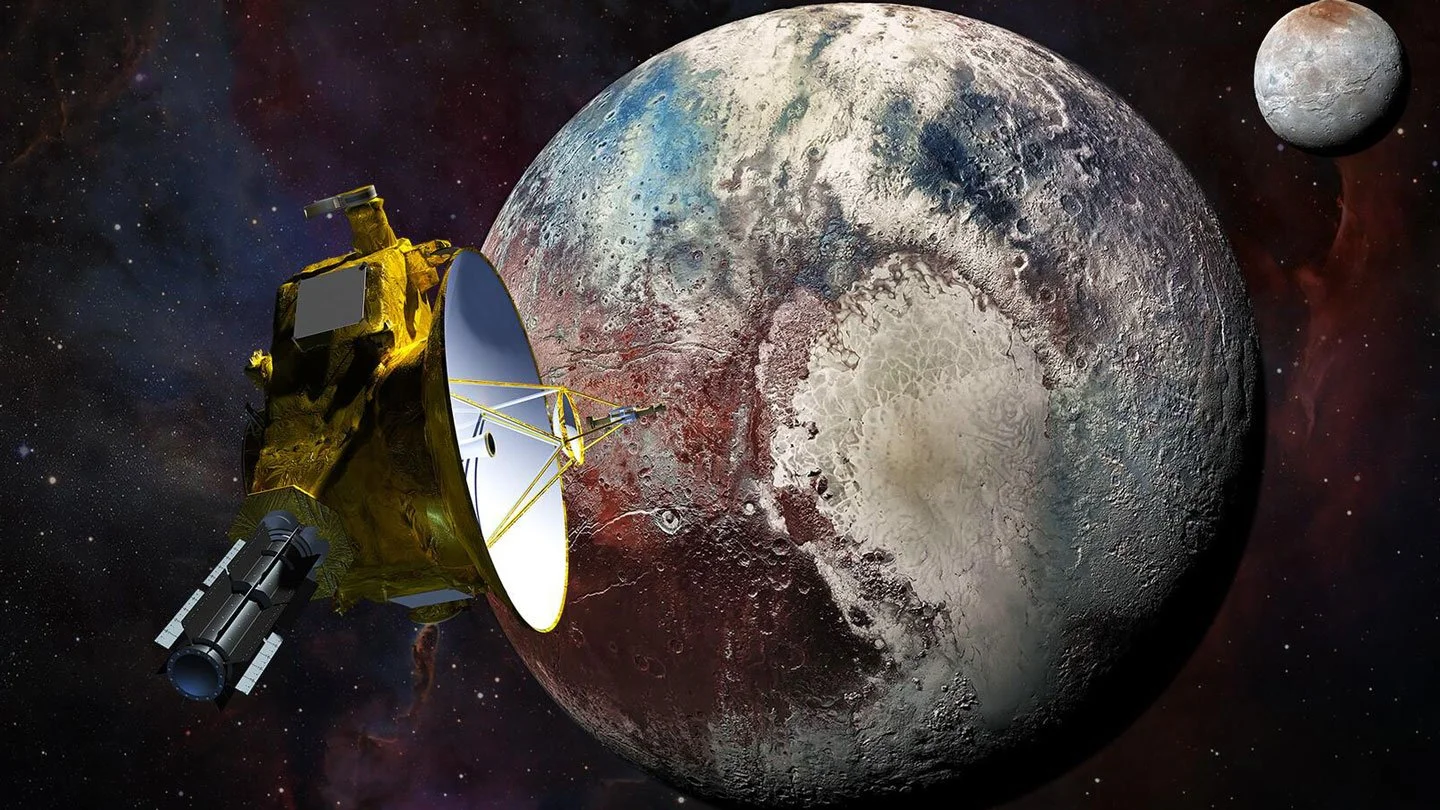
New Horizons
Twenty years after its launch, New Horizons remains the only spacecraft to visit Pluto. Let’s follow its journey to transform the dwarf planet from a distant, pixelated blob into one of the most beautiful and diverse worlds ever seen in high resolution.
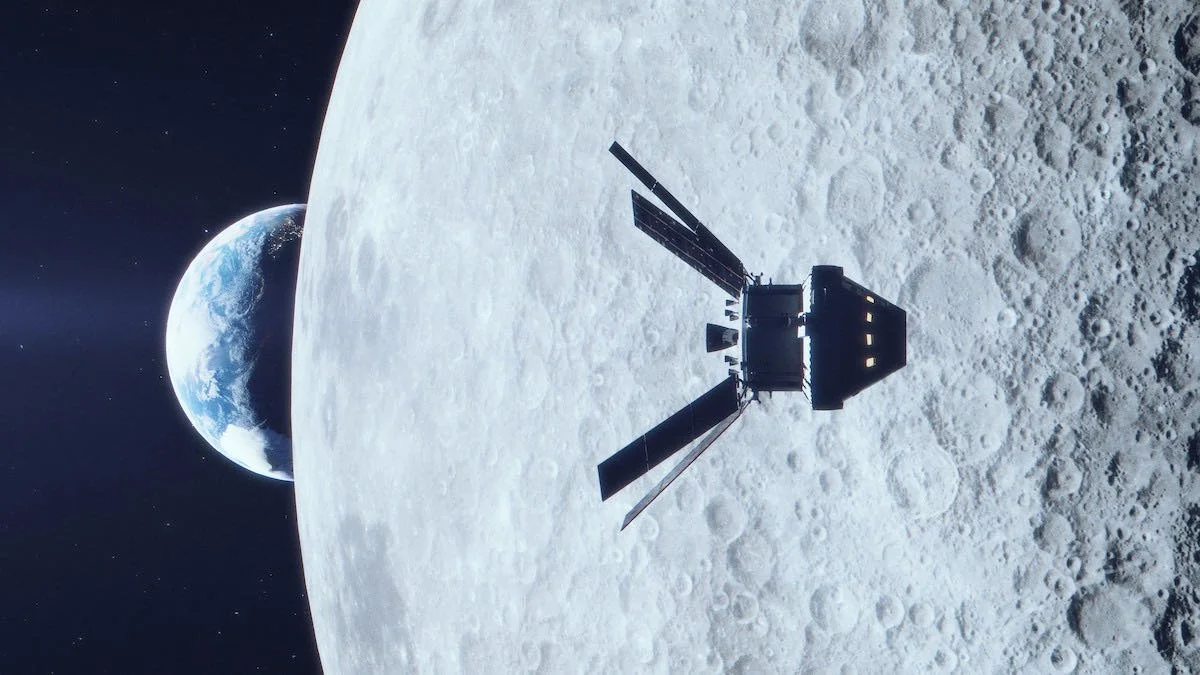
What’s Ahead in 2026?
Happy New Year! With 2025 in the history books, it’s time to look ahead to 2026.
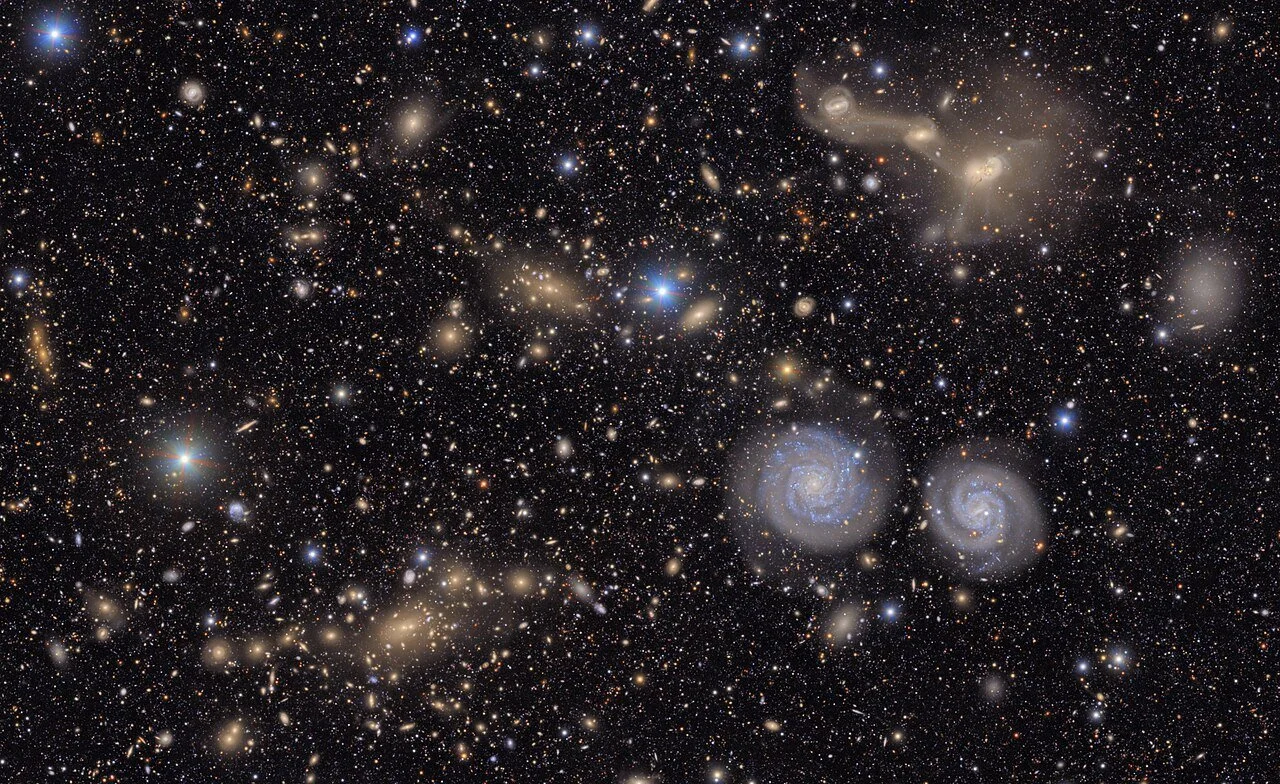
Looking Back at 2025
2025 is at an end and what a year it was! Let’s look back at some of the more notable things that took place in the world of astronomy.
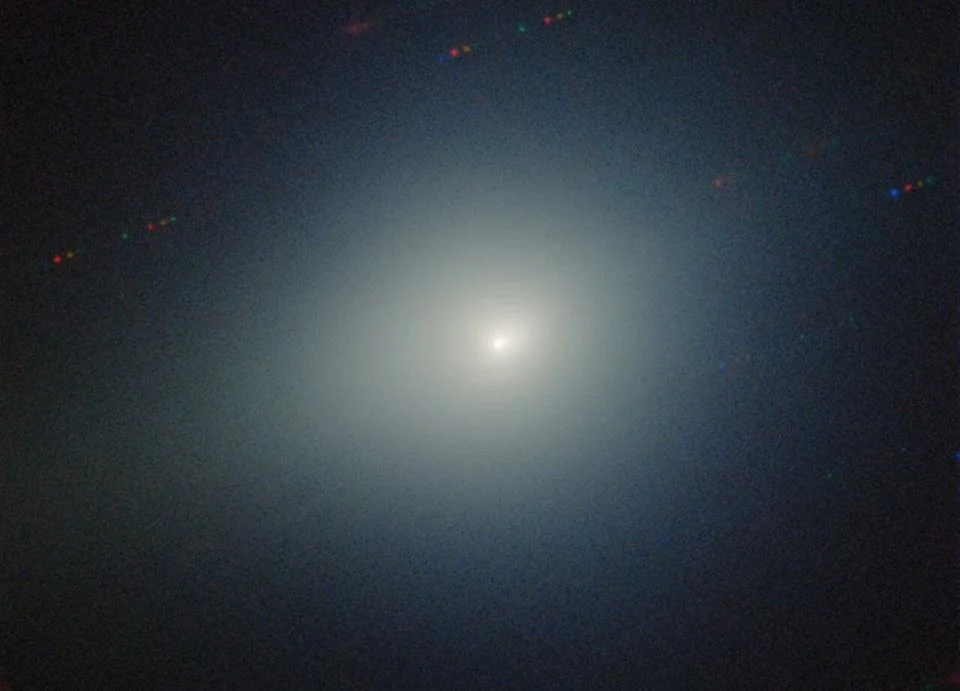
3I/ATLAS: 2025’s Interstellar Visitor
Your social media feeds have likely been flooded with images of some comet throughout the latter half of 2025. Let’s take a look at why scientists have been making such a fuss over this ghostly stranger from interstellar space!
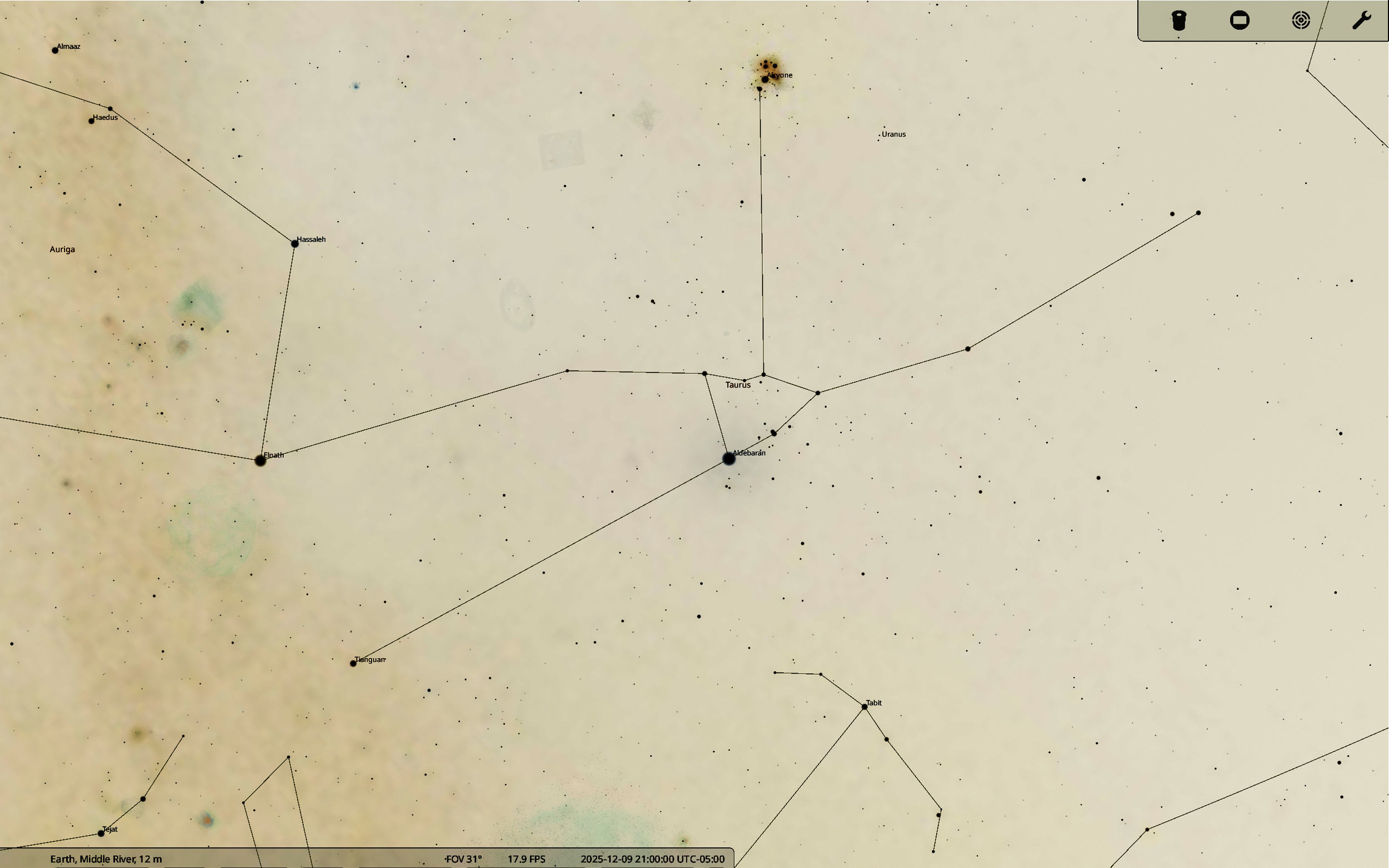
Eye Astronomy #17: Bully for You
Despite the cold, it’s worth venturing out for a look at Taurus, the bull, and two of the most remarkable open star clusters in the sky.
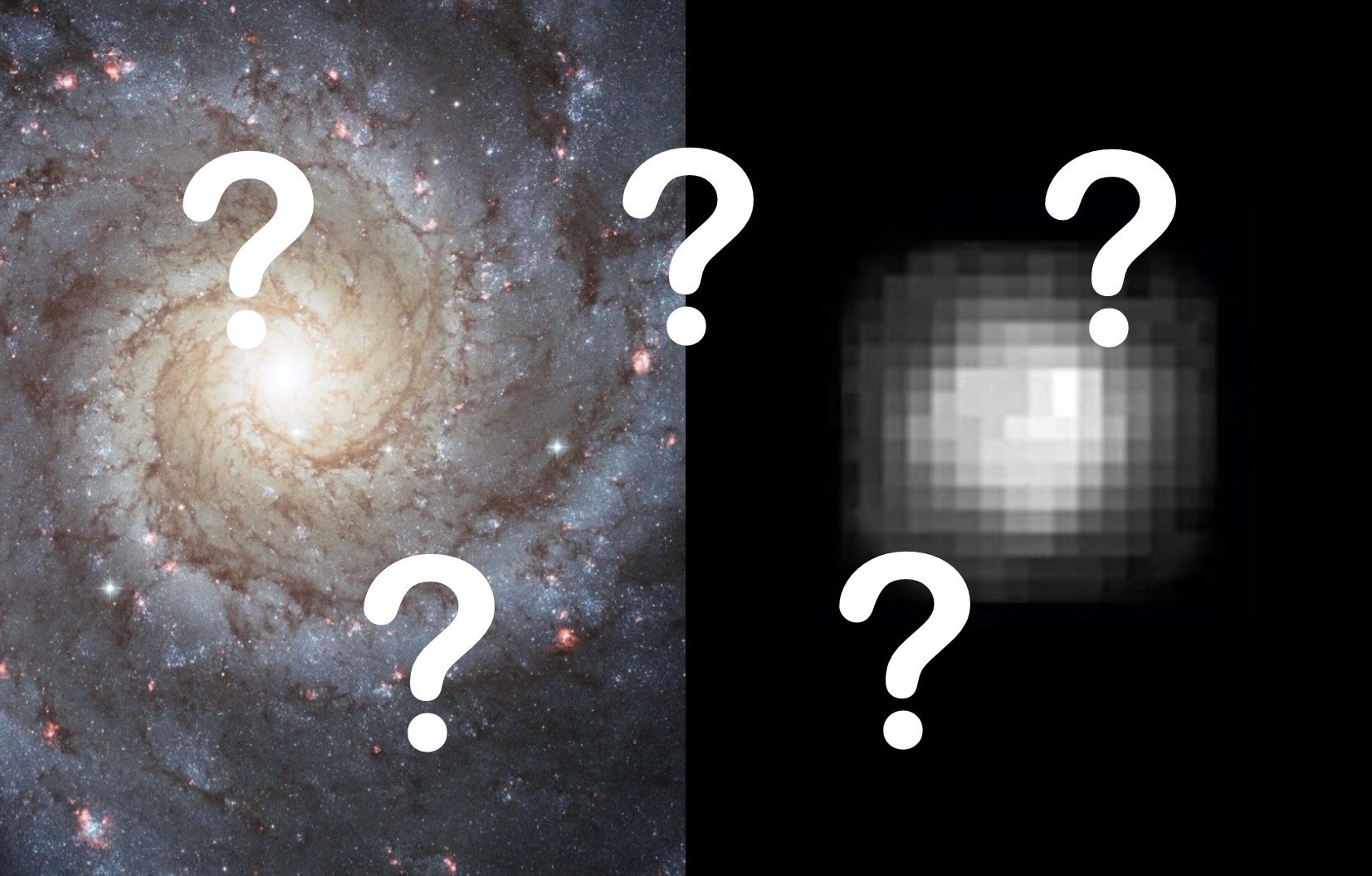
Why Closer Isn’t Always Clearer
A common misconception surrounds the ability of modern telescopes to resolve great detail in far away galaxies while struggling with some objects in our own solar system. Let’s see what’s going on here!
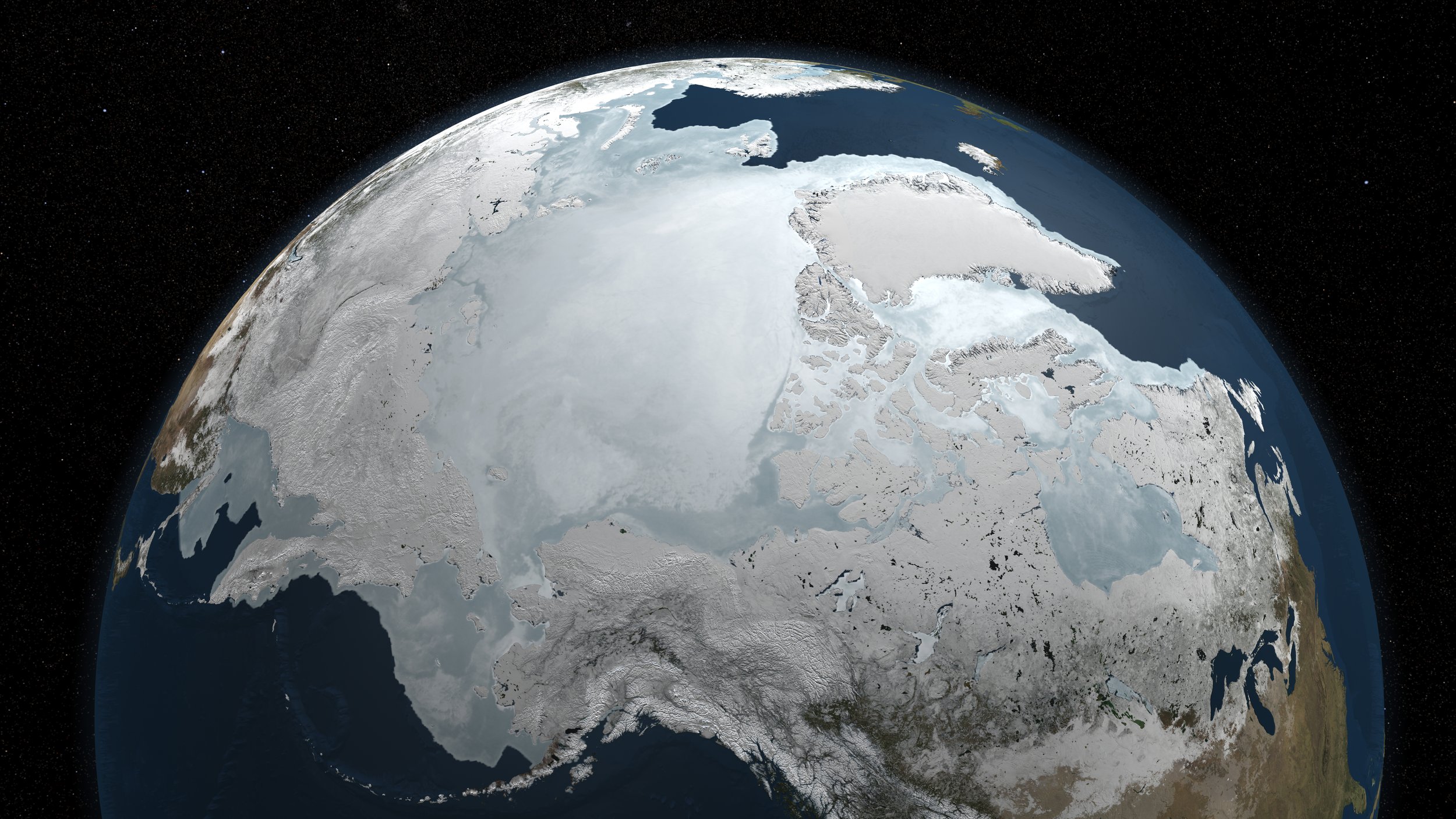
Milankovitch Cycles
What are Milankovitch cycles? How do they guide the Earth’s climate from ice age to ice age? How do we know they aren’t responsible for global warming? Let’s dig deeper!
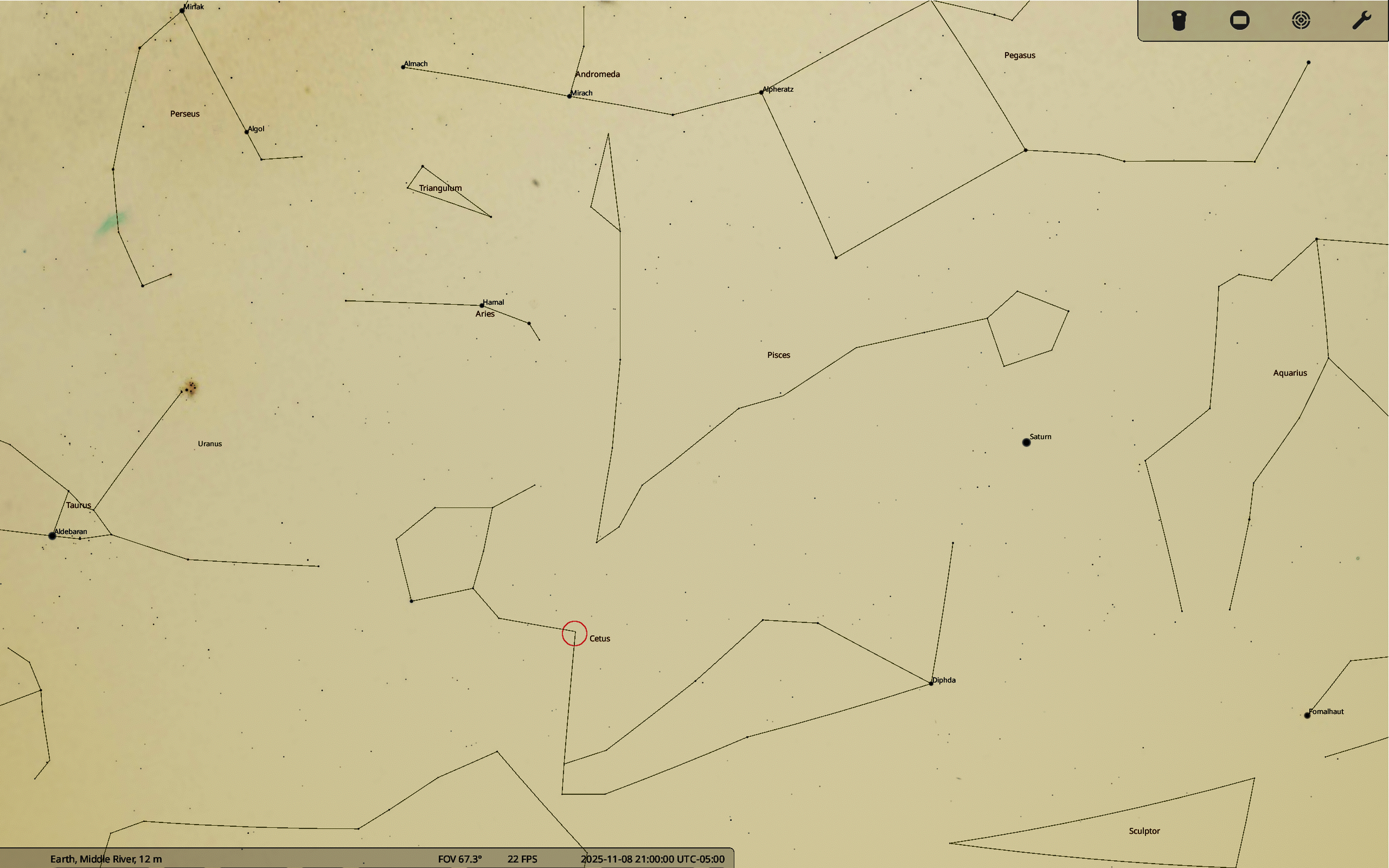
Eye Astronomy #16: Mira, Mira in the Sky
Hidden in the dim constellation of Cetus, the whale, Mira is a remarkable star. Here’s why.

Eye Astronomy #15: Lone Star
In the autumn, a bright star rises in the southeast. Its name is Fomalhaut, and it has no nearby companions. Why does it shine alone?