
Keeping The Night Sky Dark
by Sam Atkins
In observance of International Dark Sky Week, let’s dive deeper into what light pollution is, why it’s harmful and what we can do to address it as individuals and as a community.
NOTE: Tap or hover over images for captions and credits.
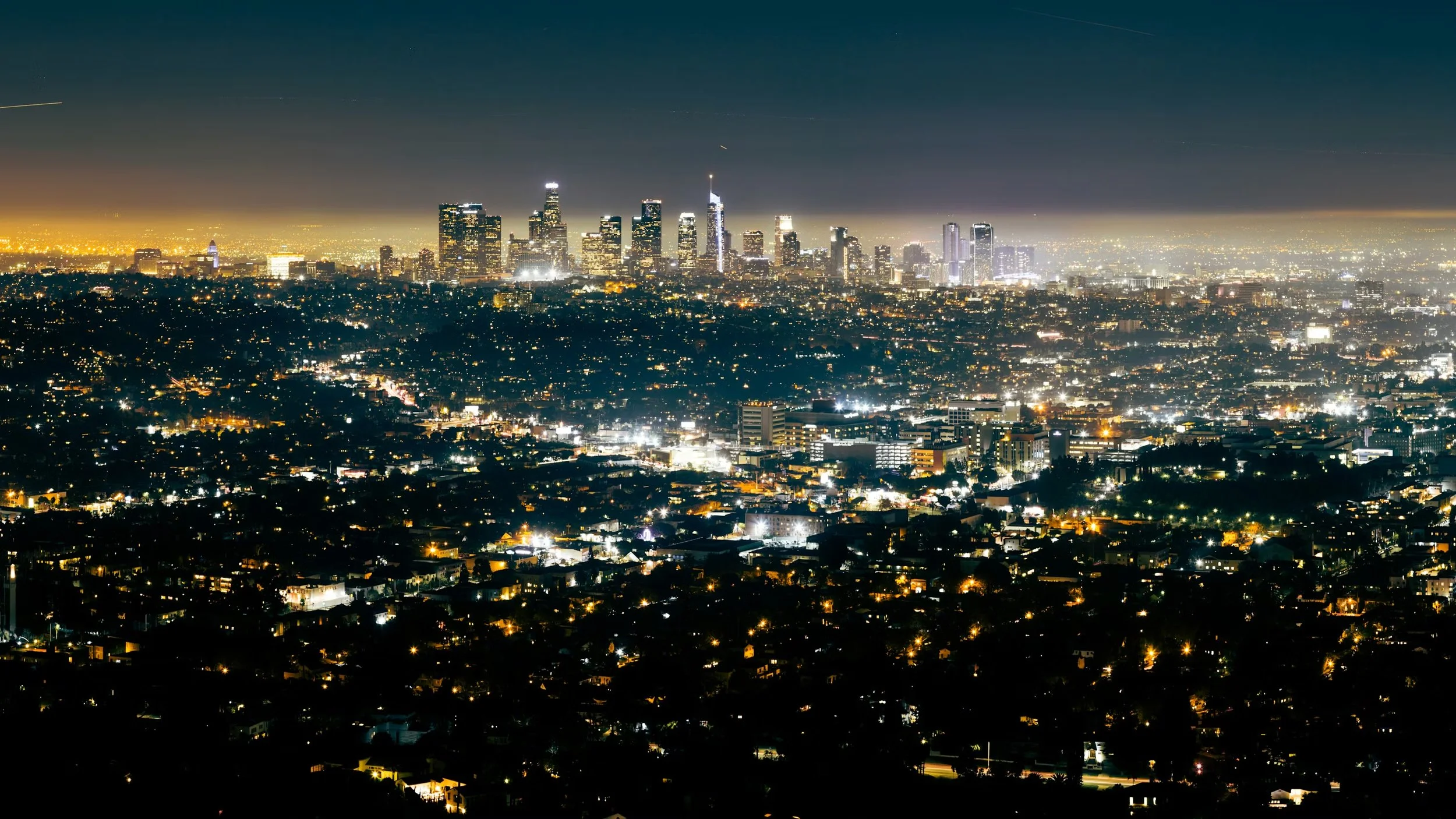
The downtown skyline of Los Angeles, California. Image credit: Serouj
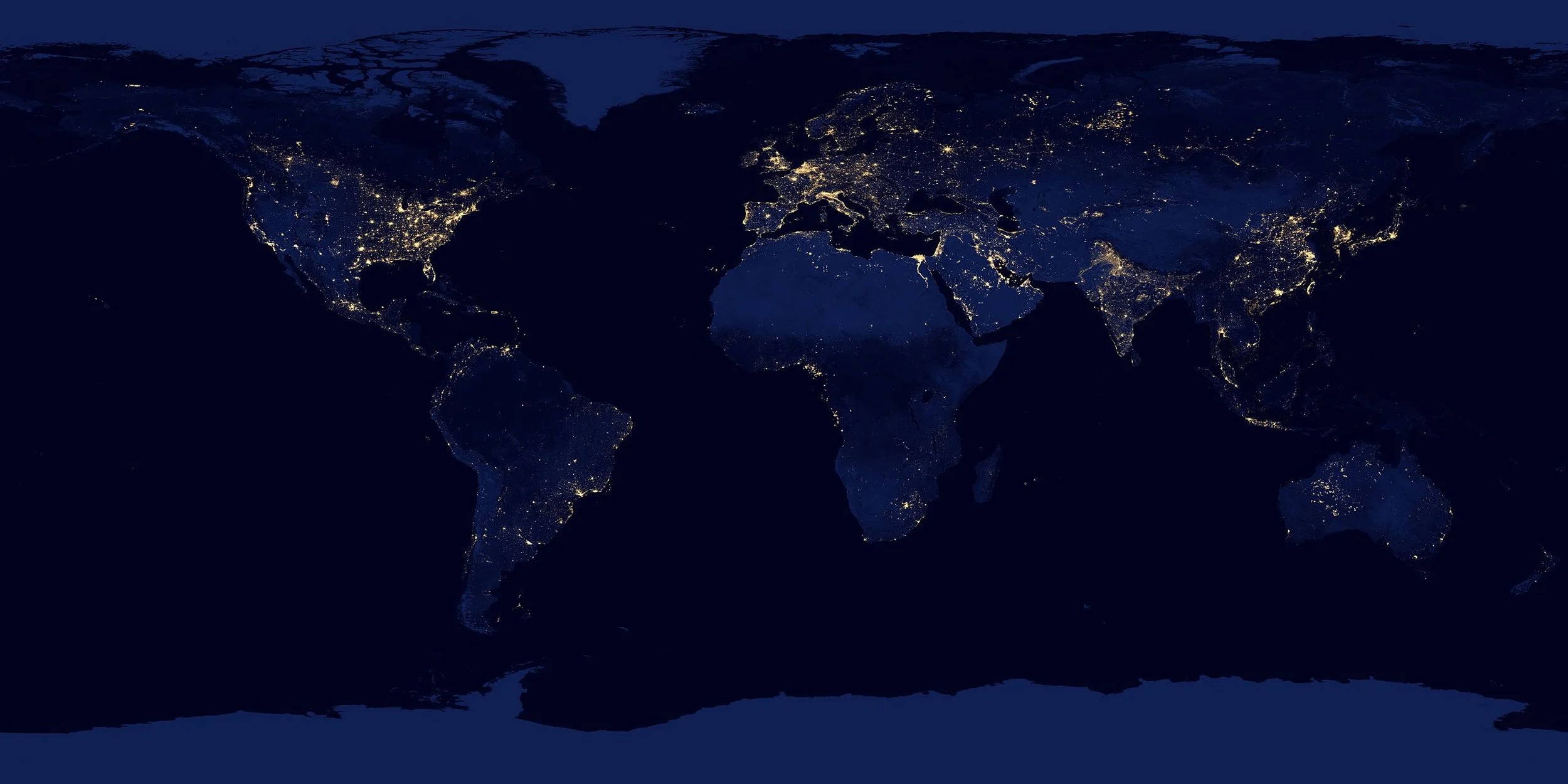
A composite image of the city lights across the nightside of Earth using the Suomi NPP satellite in 2012. Over 80% of the human population live under light-polluted skies. Image credit: NASA Earth Observatory
What is light pollution?
For millennia, our ancestors looked up at the night sky and saw a universe alive and unfolding before their eyes. Twinkling stars more numerous than one could count, shooting stars, nebulae and galaxies galore. However, since the advent of electricity, that view of that cosmos has gradually been slipping away from us. Growing towns and cities across the world lit with thousands to millions of lights shower the night sky with an ethereal glow, causing all but the brightest stars to fade. This is the problem of light pollution.
Light pollution refers to the excess or unwanted artificial light from humans that washes out the natural beauty of the night sky, particularly around cities.
Next time you’re driving around town at night, look around at every light source you can find. In modern civilization, light comes from everywhere: people’s homes, office buildings, industrial sites and factories, car dealerships, malls, restaurants, sports stadiums, airports, electronic billboards, streetlights, vehicles, etc. even the rapid rise of satellite deployment is becoming a concern.
A 2023 study estimated that the brightness of the night sky caused by artificial lighting increased by 7-10% per year from 2011 to 2019. This equates to nearly double the brightness across eight years. It is getting worse at a faster and faster rate, but it is well within our ability to make it better.
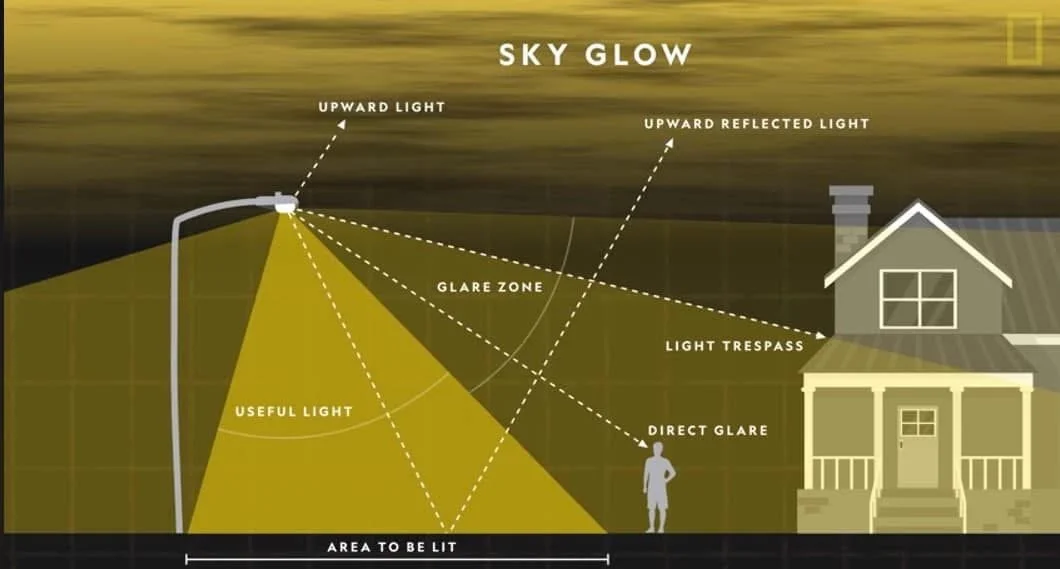
TYPES OF LIGHT POLLUTION
Image credit: National Geographic
There are different ways in which the light finds its way around a given area. Light that isn’t managed properly can end up being too bright and go places it isn’t needed. Here are some of the types of light pollution:
Glare: The intense and blinding light for which the eyes are not adapted. This is the light from light sources that goes directly into your eyes such as when looking toward a streetlight.
Trespass: Light that falls where it is not intended or needed, sometimes called spill light or obtrusive light. This is particularly the result of light that is not properly directed or contained.
Clutter: Bright, confusing, and excessive groupings of light sources. This is basically light glare and trespass that comes from several directions. A common occurrence in urban environments where streetlights, building lights and electronic billboards are commonplace.
Sky glow: The brightening of the night sky over particularly urban and suburban areas. Even from miles away, a city can cast the atmosphere above in a scattered haze of light that washes out most of the stars.
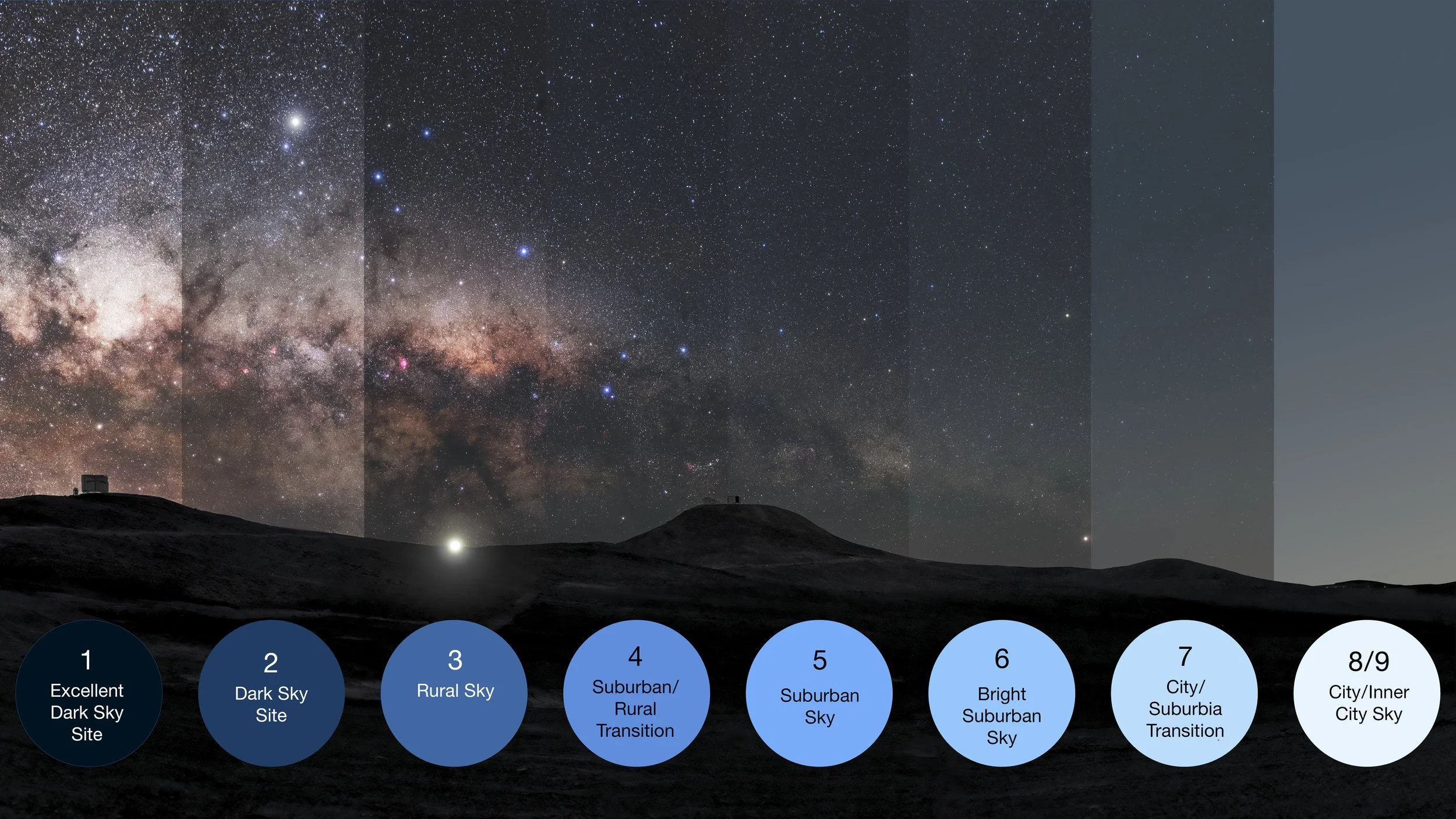
THE BORTLE SCALE
Image credit: ESO, P. Horalek, M. Wallner
A system has been devised to categorize the light pollution an area is subjected to into different levels of intensity. It is widely used by astronomers and stargazers to assess the level of light pollution and the quality of observing conditions in a given area. These levels range from level 1 which is the darkest skies you can find on Earth to level 9 which are skies over large, bright cities. The system was created by John Bortle and published in Sky & Telescope magazine in 2001.
The levels are as follows:
Level 1 (Excellent dark sky site) - This is typically found in remote, pristine locations with virtually no light pollution. The Milky Way and faint celestial objects are easily visible.
Level 2 (Dark sky site) - There is still very little light pollution, but some minor glow may be visible on the horizon. The Milky Way is still prominent, and most deep-sky objects are visible.
Level 3 (Rural sky) - Light pollution begins to become more noticeable, particularly on the horizon. The Milky Way is still visible, but with reduced clarity.
Level 4 (Rural/suburban transition sky) - Moderate light pollution is present, including sky glow and a significant reduction in the visibility of stars. The Milky Way is difficult to see.
Level 5 (Suburban sky) - Heavy light pollution dominates the sky, with a bright orange or yellow glow over urban areas. Only the brightest stars and planets are visible.
Level 6 (Bright suburban sky) - Intense light pollution severely limits the visibility of celestial objects. Only a few of the brightest stars are visible.
Level 7 (Suburban/urban transition sky) - Extreme light pollution washes out all but the brightest stars and planets. Only the Moon, Venus, and a few other objects are easily visible.
Level 8 (Urban sky) - The sky is heavily polluted with artificial light, with minimal star visibility. Only the Moon and a few planets might be visible.
Level 9 (Inner city sky) - The sky is dominated by artificial light, and very few, if any, stars are visible.
Keep in mind that this is a general guideline and specific locations may have other variables that can affect the overall seeing conditions.
What is the harm of light pollution?
Why should we care about light pollution? After all, it’s just a couple of white dots in the sky disappearing to a few city lights, right? Big deal!
While how much you care about the beauty of the night sky may be subjective and vary person to person, I happen to think the night sky is worth preserving for its beauty alone. However, the perils of a light-polluted world don’t end at just aesthetics. There are numerous environmental and health concerns that light pollution contributes to as well.
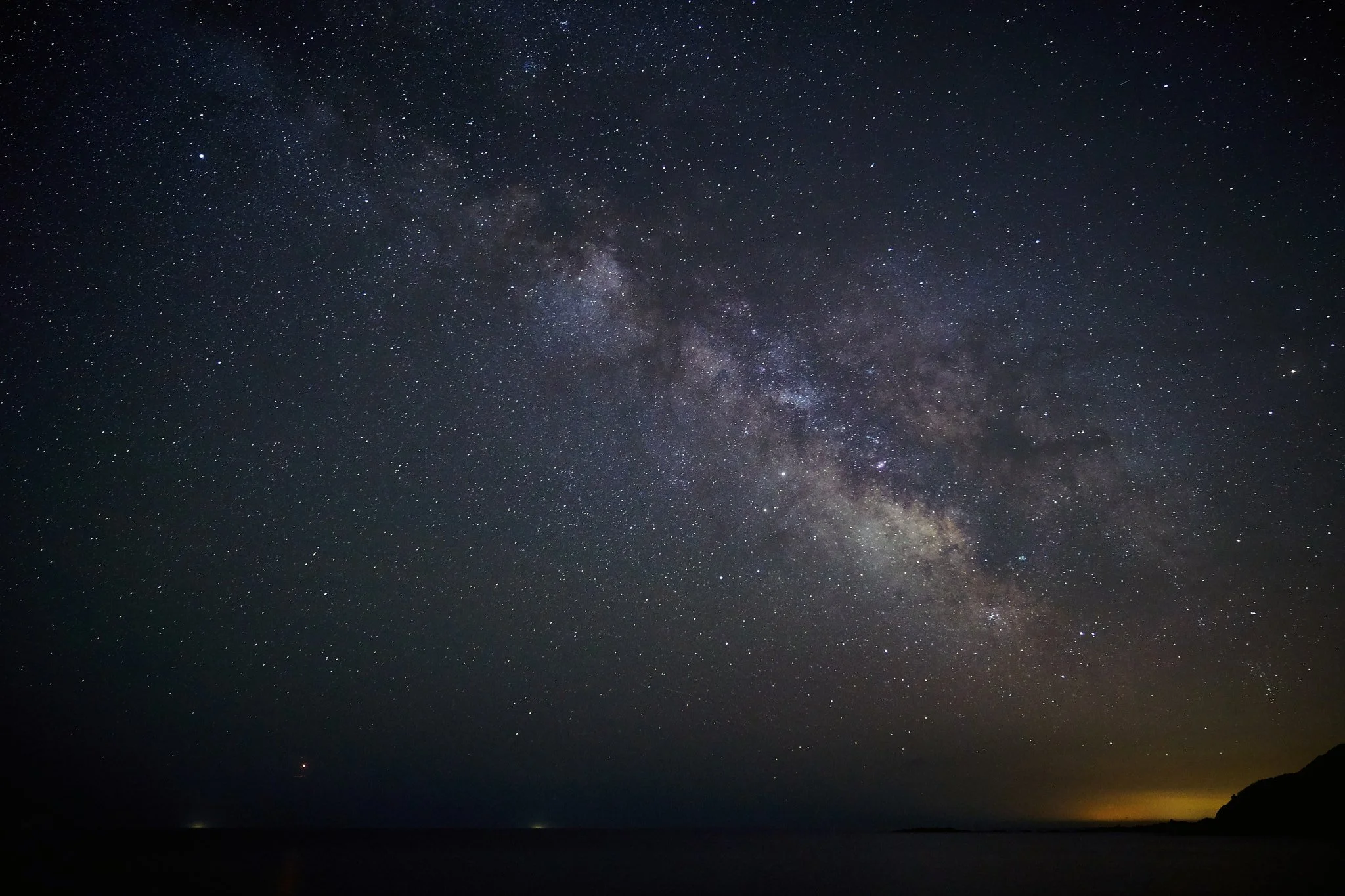
BEAUTY OF THE NIGHT SKY
Image credit: Oliver Griebl
The first and most evident harm of light pollution is the obstruction of the stars from our view.
Because most celestial objects such as planets, stars, nebulae and galaxies are so distant, they are also quite faint. It is only when contrasted against the darkness of their backgrounds (as well as the transparency of Earth’s atmosphere that lies between us and them) that we are able to make them out. You can watch the sunrise and see the gradual fading out of various night sky objects, starting with the faintest stars all the way until even the luminous Venus disappears into the daylight. You can see the same effect in reverse at sunset with the brightest objects appearing first, followed by fainter and fainter objects. This is the same as how a person’s voice will seem to disappear when at a loud music concert.
There is a vast, active, dynamic, shimmering cosmos dancing over our heads, day and night, city and rural. However, when many of us step out of our homes today and look up, we see only some dozens of points of light poking through a haze of dark blue and orange. We lost that precious gift and it no doubt affects the way we think about the universe around us.
Note: For those planning to make a trip out to a dark site to witness the true beauty of the night sky, I recommend checking out this comprehensive guide to viewing the Milky Way band.
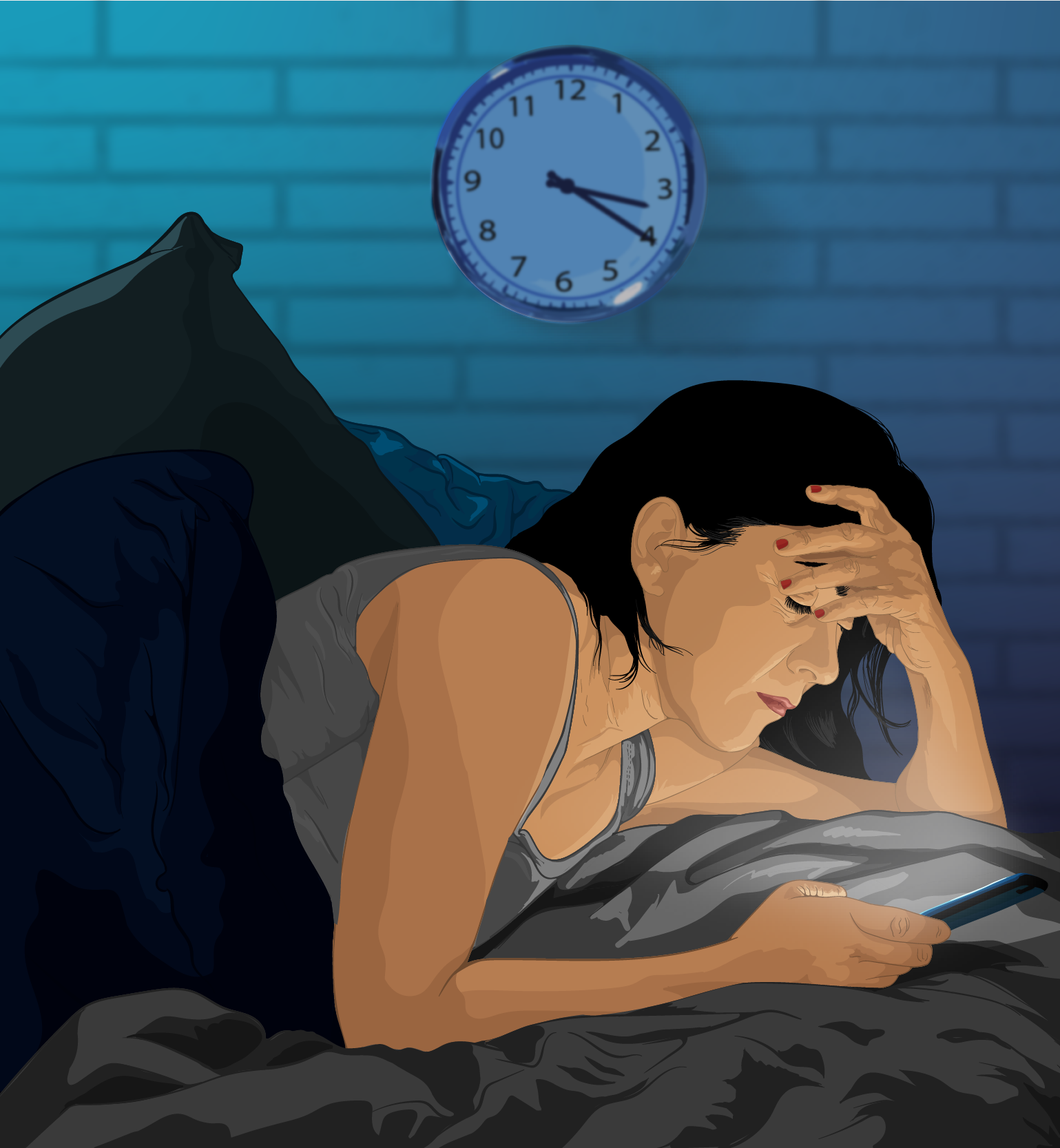
HUMAN HEALTH
Image credit: myUpchar
It has been shown in numerous studies that human health can be negatively impacted by the abundance of artificial light.
A 2024 article by Mario Motta, MD argues that excessive artificial light at night, especially modern blue-rich LED lighting, can disrupt human circadian rhythms by suppressing melatonin, which in turn leads to poorer sleep and a range of downstream health effects. It connects this sleep disruption to broader risks including metabolic and mental health issues and discusses research linking long term circadian disruption to increased risk of hormonally related cancers such as breast and prostate cancer. It also suggests that melatonin’s role in immune regulation means light at night exposure may have additional indirect effects on overall health. Other increased risks include obesity, depression, diabetes, and more.

CRIME AND SAFETY
Image credit: Public Domain CC0
Outdoor lighting is not as universally effective at deterring crime as you might imagine. A surprising amount of property crime, such as package theft and home burglaries, occurs in the light of day. That being said, vehicle theft and violent crime skews more towards the night. In these instances, outdoor lighting can make offenders feel more exposed and easier to identify. However, improper lighting can actually assist them as the glare from poorly directed light can increase the darkness of the shadows around them making it easier for trespassers to hide in the dark while still getting the light benefit of not needing an attention-catching flashlight to search for valuables.
Beyond crime, the glare from outdoor lighting can also make it harder to notice tripping hazards, especially as we get older. Your pizza guy walking up your front steps surely notices it, as well as when the lights are suddenly turned off as they are leaving. This is even worse behind the wheel of a vehicle. Glare can make it more difficult when driving to see road hazards and street-crossing animals. This is also obviously worse in cities where bright lights are numerous, each contributing to impaired vision.
A 2012 report from the American Medical Association says that “glare from nighttime lighting can create hazards ranging from discomfort to frank visual disability.”
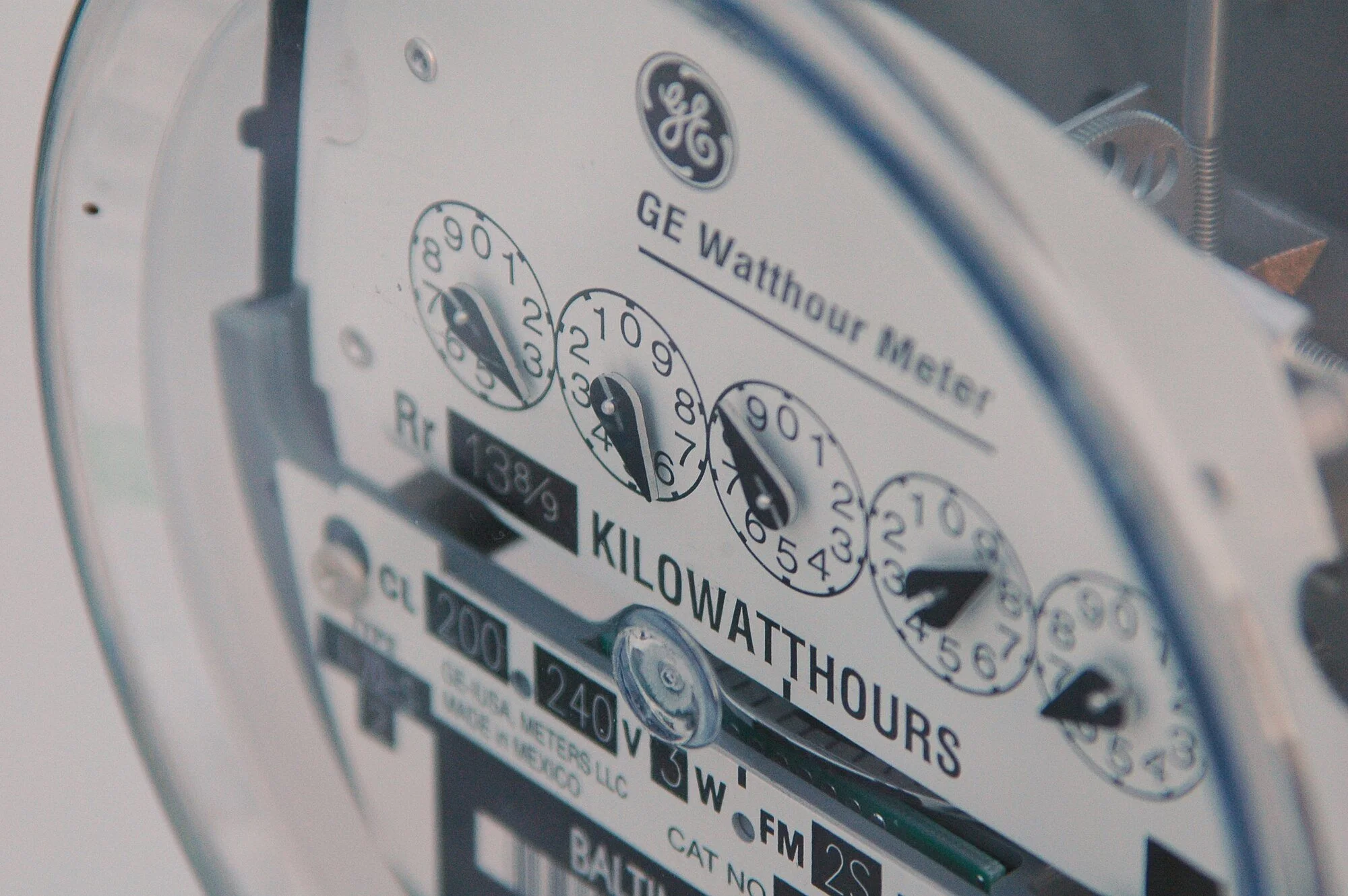
ENERGY AND CLIMATE
Image credit: Empoor
Inefficient lighting can be not only a waste of available energy but a waste of money. 90% of the energy consumed by incandescent bulbs is produced as heat instead of useful light. That’s a lot of money being spent on very little intended output.
Unshielded light is spread out to areas it isn’t needed (including up into the sky) and will thus need to be brighter and more resource-hungry to do the same job that a dimmer but properly shielded light can do.
Excessive lighting heats up areas, most prominently in cities, and pumps unnecessary amounts of carbon into our atmosphere. In the United States, 15 million tons of CO2 are emitted each year to power residential outdoor lighting. That’s equal to the amount of CO2 that 3 million vehicles can produce on average throughout the year. 40,000 tons per day! More carbon in the atmosphere traps heat and warms the Earth just a little more.
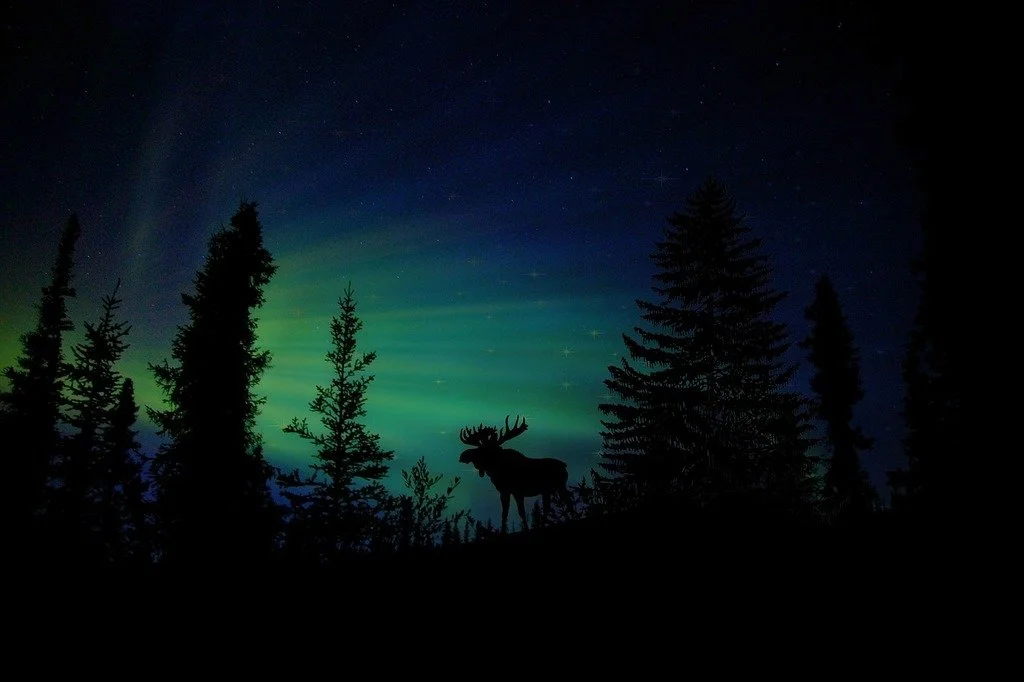
WILDLIFE AND ECOSYSTEMS
Image credit: cocoparisienne
Light pollution doesn’t just affect humans but the health and behaviors of animals as well.
For example, the heat and brightness of excessive urban lighting can cause them to begin migration at the wrong time, missing crucial opportunities to nest and forage for food. Animals that are guided by moonlight during migration such as birds and sea turtles can become confused, lose their way and sometimes die.
The unnatural brightness of nighttime lighting can negatively affect the circadian rhythm of animals, making them sleep deprived and less able to function healthily. Some animals depend on the safety of night to avoid predators and will instead be over-hunted which can throw the whole ecosystem off-balance. Insects attracted to bright lights are removed from their natural behaviors and can die of exhaustion or become easier prey. Consequently, the excess loss of insects can affect other animals in the food chain and affect the successful pollination of plant-life. Speaking of which…
Light pollution can even affect the life cycles of plants which are accustomed to the 24-hour day-night cycle. The emission of red light can trick trees into thinking it’s daytime longer than it really is. This can change flowering patterns and promote growth long after it is safe due to the coming winter. Some plants only bloom in the dark of the night, like many species of cactus. As mentioned before, plants often rely on insects to spread their pollen around a region so that they can reproduce. One third of all human food requires pollination and that’s harder to do if insects are dying around more and more lights.
How can we mitigate light pollution?
So, what do we actually do about it?
To be clear, mitigating light pollution does not mean we have to walk around in the dark all the time. We need light to see. We need it to get around. We need it to do our work. Lights are not a bad thing. However, we can find ways to use light smarter and more efficiently. The changes we can make can happen at both an individual and community level. As individuals, we can change what kind of lights we use and how we use them in our own homes. As a community, we can promote and educate better light usage amongst our neighbors and we can push for better public policy and research from our representatives.
ONLY USE THE LIGHT YOU NEED
Image credit: Dean Hochman
This is the most obvious one but it’s an easy one to forget in the moment. Being mindful about turning lights off not only reduces needless light pollution, but it saves you money. It can be a pain trying to remember but if you can make a habit of it and it becomes second nature, it really doesn’t take much effort.
For those with more means available, check your local hardware store for lights with motion sensors or timers which can minimize usage by only turning lights on when they are needed and you don’t have to worry about forgetting all the time. Lights that have dimmers so you can adjust the brightness and only use the light you need are also a good thing to have.
PROPERLY AIM AND SHIELD LIGHT
Image credit: Dark Sky International
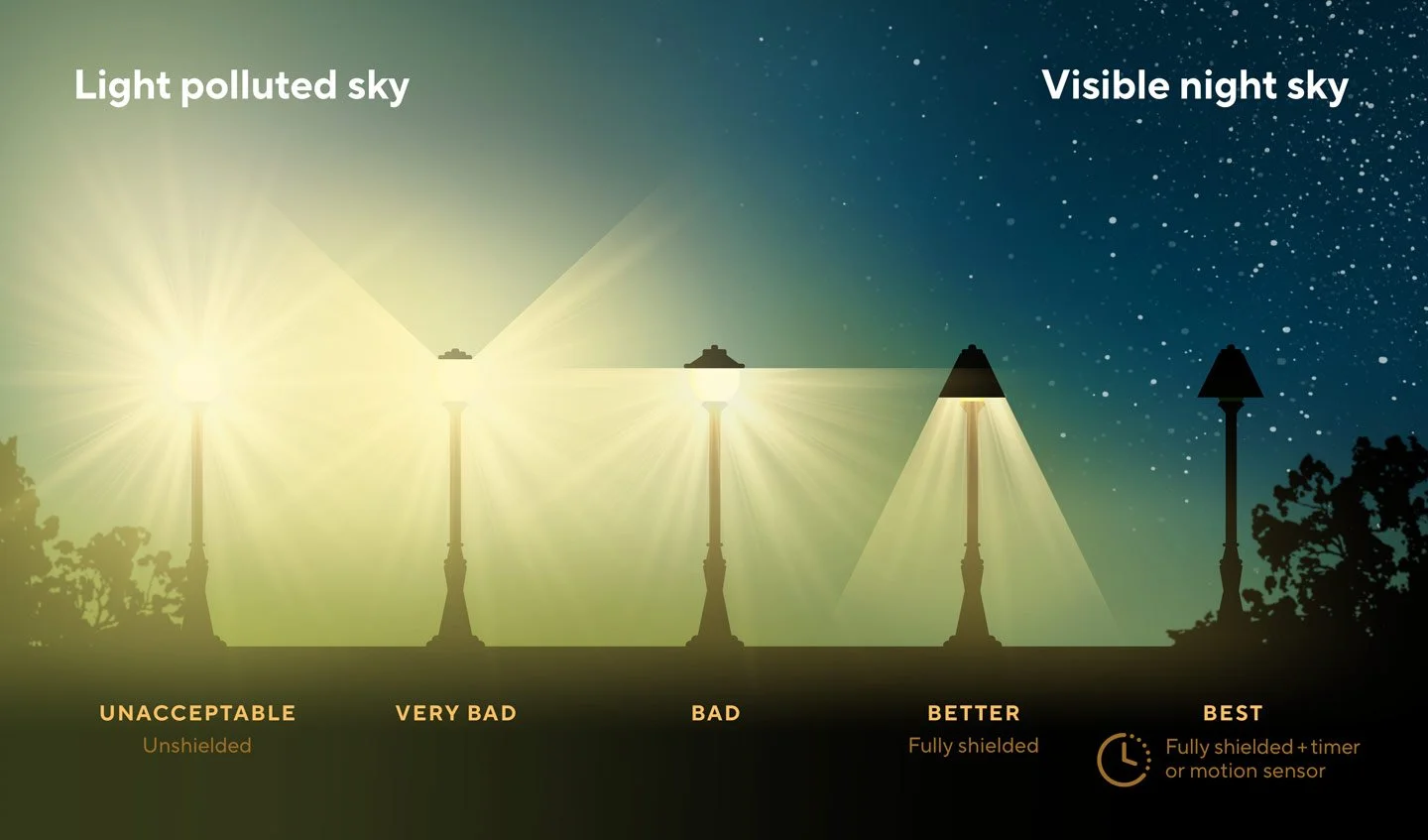
Something that produces light doesn’t discriminate which direction it shines in, so you have to block and/or reflect that light. For example, if you look around the bulb of a flashlight, it is centered within a reflective cone that redirects all the light into one direction.
A lot of street lamps don’t do this very well. They will shine light downward, outward and even sometimes upward towards the sky. Generally, light only needs to be shined towards the ground where people are walking or driving. The light shining outward is often only glaring into your eyes which obstructs your vision and the light shining upward is simply a useless waste.
First, you want to consider the purpose of the light and aim it exactly where it is most needed. 20-50% of outdoor residential lighting goes directly into the sky. If you can shield the light coming from the bulb that directs it downward, not only is the light not shining in directions that aren’t useful but more light is shining where it is. This is safer, more efficient and helps preserve the darkness of the night sky.
When all of the light is properly directed, you may find that you don’t need one that shines so brightly based on how reflective the surface that it’s shining in is.
WHAT KIND OF LIGHTS ARE YOU USING?
Image credit: Mark Jurrens
Light is emitted in various wavelengths that we perceive as colors. Longer, less-energetic wavelengths appear more yellow and red while shorter, more-energetic wavelengths appear bluer and more violet. When all wavelengths are combined you get white light. Lights with white, blue and violet wavelengths are more stressful on the eyes and produce more blinding glare.
When purchasing outdoor lighting for your home, look at the correlated color temperature (CCT) for the lamp or fixture, and make sure it’s 3000 K or lower (which appears more amber colored). Higher numbers contribute more to light pollution.
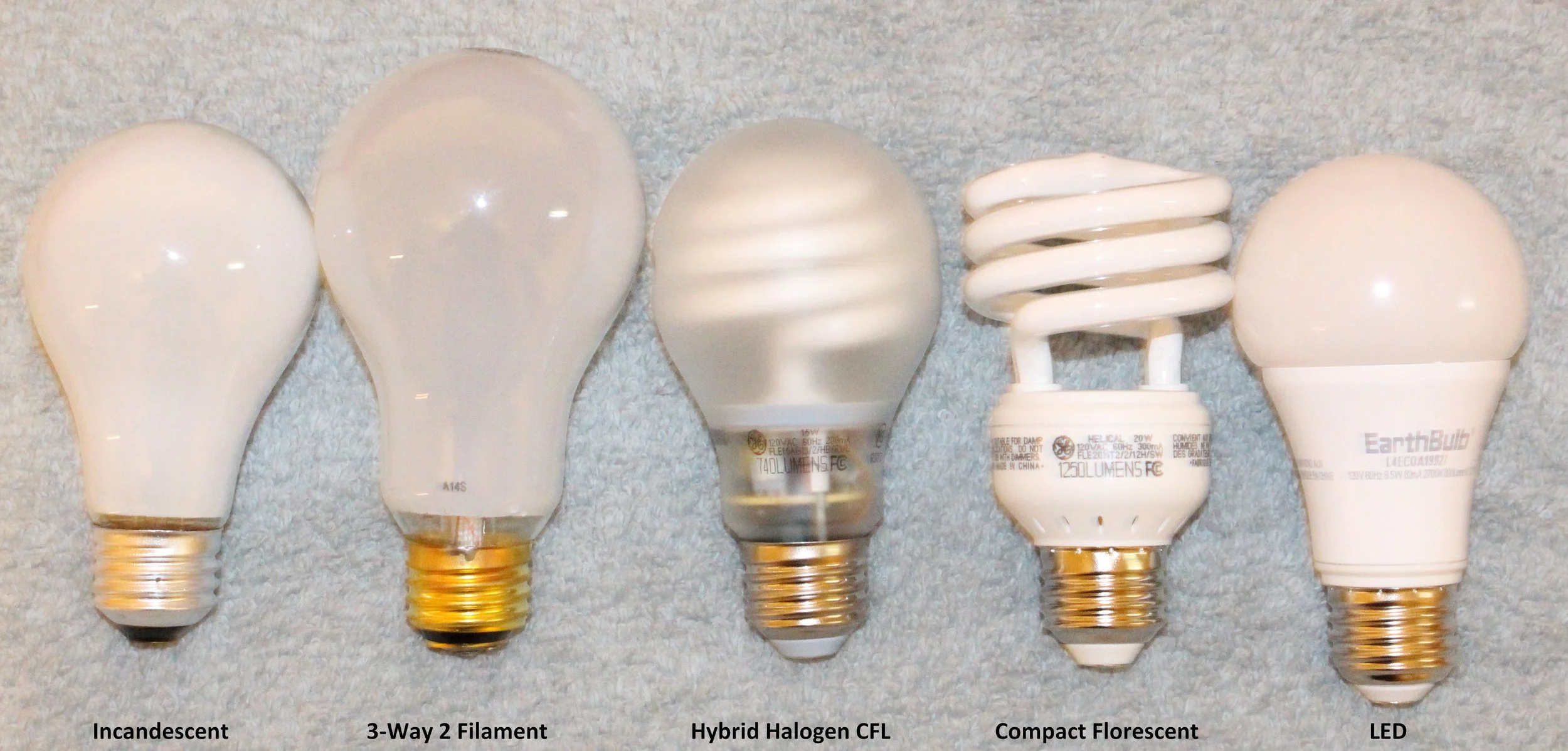
CFLs (compact fluorescent lights) can be a good way to go. You may recognize many of them by their spiraling bulb design. Their energy saving ability can vary but generally, use them in places where you won’t be turning them on and off constantly and where there isn’t a lot of humidity or vibrations. They have a bad reputation for being dim, but they last a long time so many people still have the older ones, and the newer ones are brighter now.
LEDs (light-emitting diodes) are indeed more energy efficient; thus, they are cheaper and produce less excess heat. However, cities often use the money saved to simply install more lights. What really matters is how the lights are designed and used, including things like brightness, color temperature, glare control, and placement. If those factors aren’t handled well, LEDs can still contribute to skyglow, glare, and environmental or health impacts despite their efficiency. So, LEDs aren’t inherently good or bad on their own, their effects depend entirely on implementation.
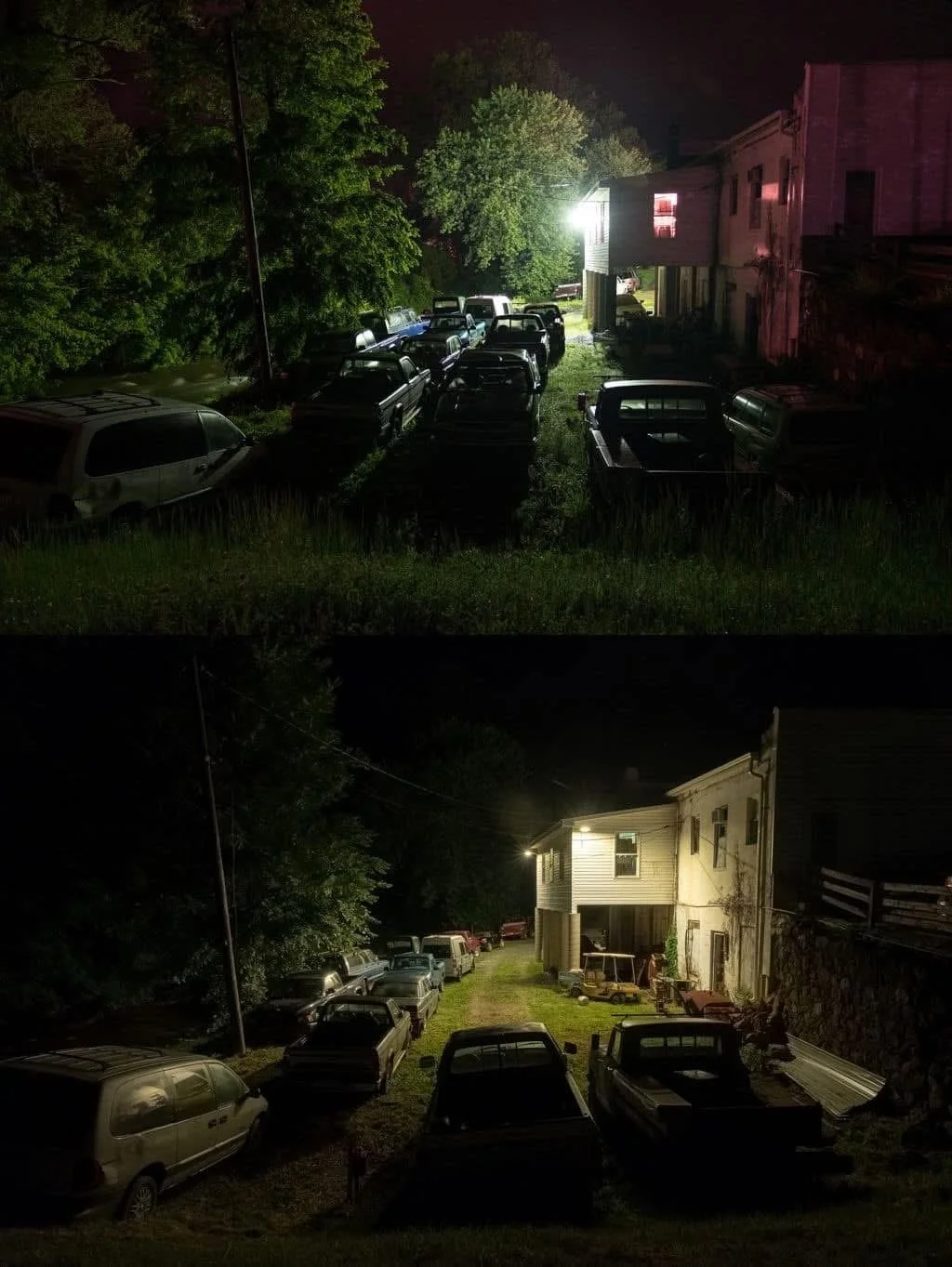
Image credit: Joyce Harman
When taking all of these things into consideration, what do you get?
Look at this before and after photo (top and bottom, respectively) of a car repair shop that replaced one really bright, white unshielded light with two dimmer, warmer shielded lights. Not only is the night sky above better preserved, but the area below is lit in a much more effective way to see trespassers and move around without hazard.
WHAT ABOUT PUBLIC/COMMUNITY LIGHTING?
Image credit: photos8.com
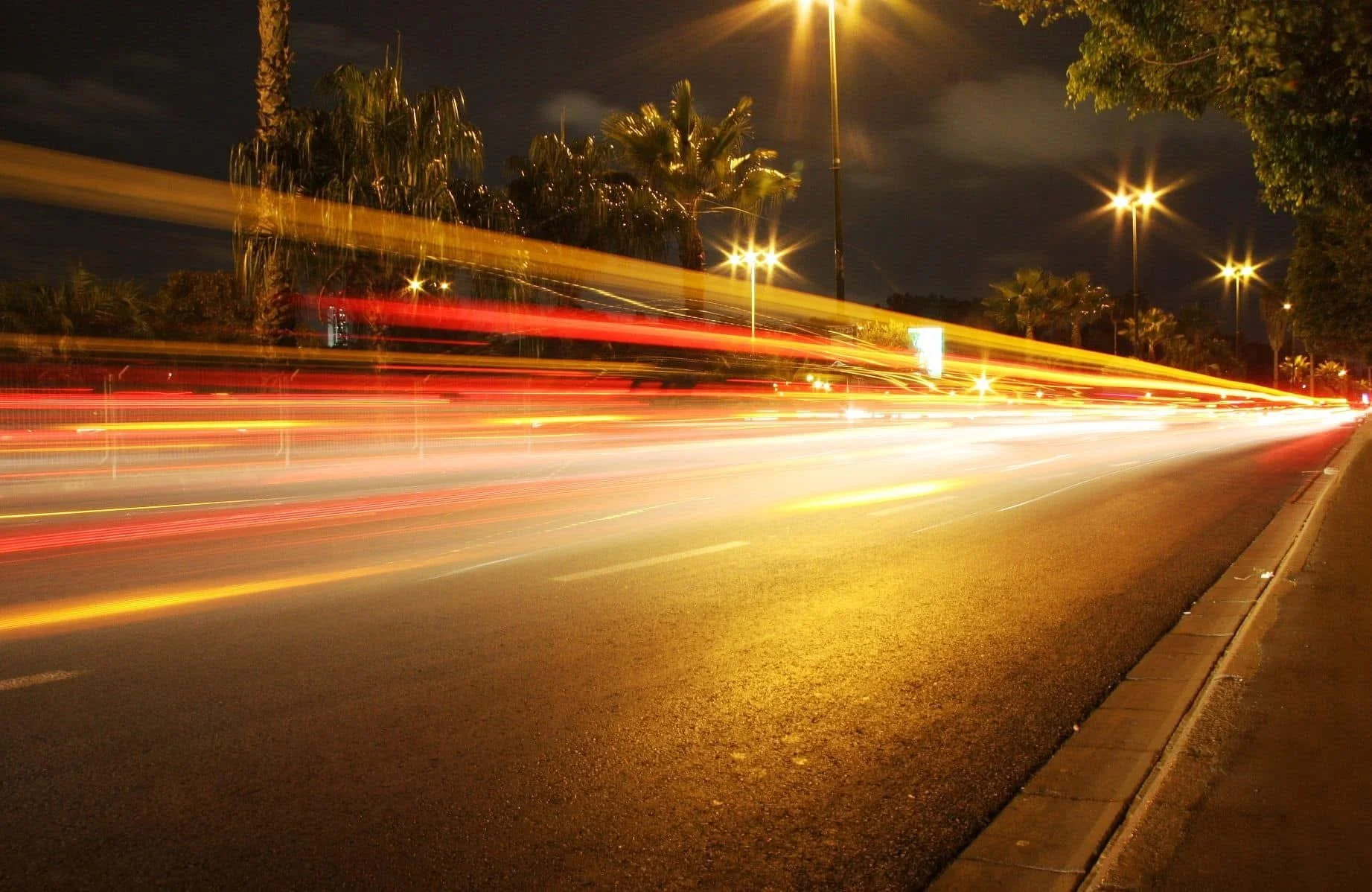
Lighting around publicly accessible areas such as street and parking lot lights are rampant with inefficient use. Street lighting accounts for about 50% of a city’s total light emissions. As said before, excessive lights are often installed under the notion that a brighter area is a safer area, but this is not always the case. Some lighting can be effective, but light sometimes actually makes it more difficult to see, which means accidents are more likely and crime can actually be masked by the glare of oncoming lighting.
Local lighting ordinances ensure that your municipality is addressing nighttime lighting. Find out whether your town has a lighting ordinance. If not, try working with them to pass one. If your town does have an ordinance, make sure that it’s being enforced.
Talk to local business owners that you have rapport with and see what they are willing and able to do to contribute to not only addressing your town’s light pollution but more effectively lighting their own businesses in ways that make them safer, more secure and save money.
This not only helps you, your neighbors and the local wildlife but towns that address light pollution can attract tourism from night sky watchers all over the region.
If you’d like to learn more about light pollution and how you can do your part in reducing it, check out the Dark Sky International website.