
DWARF PLANETS
Wonderous worlds that brave the perilous regions of the solar system.
Almost everyone is familiar with the concept of planets. It seems

The International Astronomical Union (IAU) defines a planet as having three characteristics:
It orbits a star.
It’s mostly round.
It has cleared its orbit of similarly sized objects.
There are objects in our solar system that meet all three criteria and other objects that meet only two of them. The latter are what we call dwarf planets. These are objects that orbit a star and are mostly round, but they have not cleared their orbits of significant debris, often because they are too small and their neighbors too big or too numerous. It is this third criteria that led astronomers to reclassify Pluto as a dwarf planet. Sorry to all you Plutonians out there. But being a dwarf planet in no way makes these worlds any less fascinating than proper planets. Let’s dive into those that both confirmed and suspected dwarf planets around the solar system.
CERES
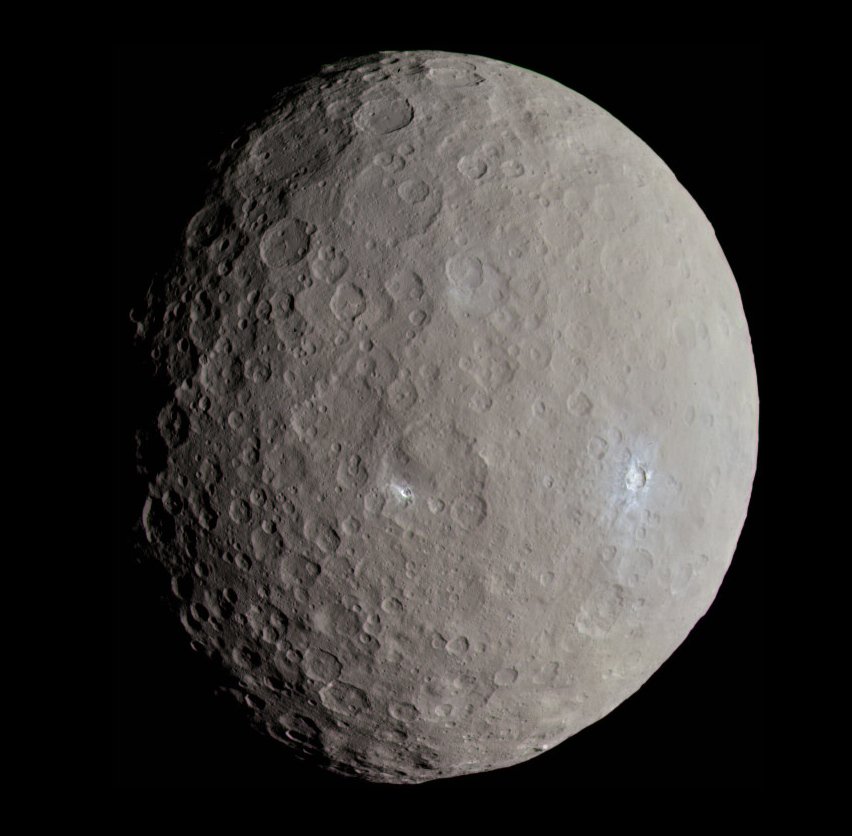
Distance from the Sun: 441 million km (2.7 AU or 22.5 light minutes)
Diameter: 966 km
Rotation period: 9 hours
Orbital period: 4.6 years
PLUTO
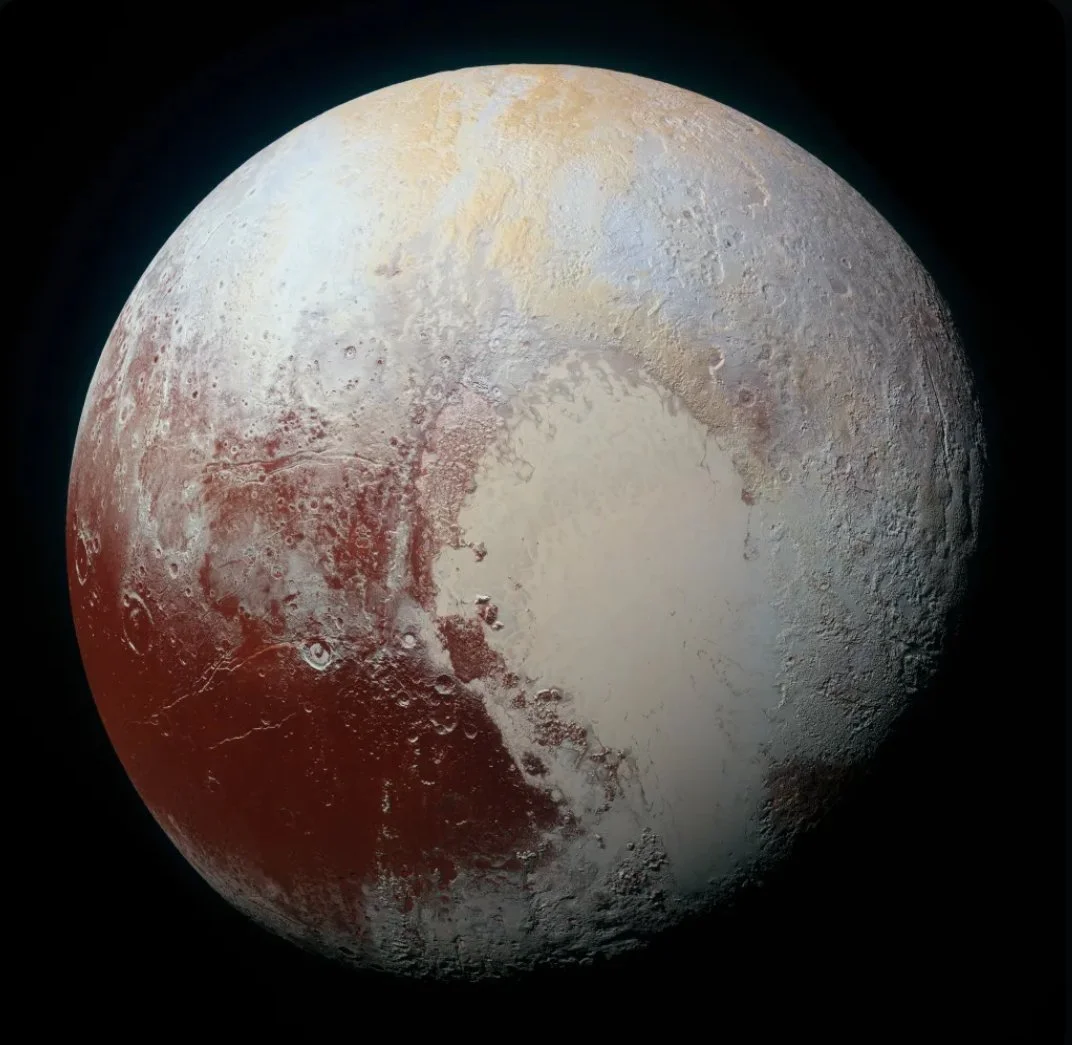
Distance from the Sun: 5.9 billion km (39.5 AU or 5.5 light hours)
Diameter: 2,380 km
Rotation period: 6.4 days
Orbital period: 248 years
HAUMEA
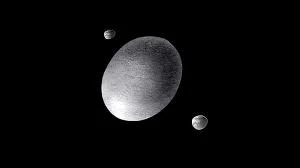
Distance from the Sun: 6.4 billion km (43 AU or 6 light hours)
Diameter: 2,120 km
Rotation period: 3.9 hours
Orbital period: 283 years
MAKEMAKE
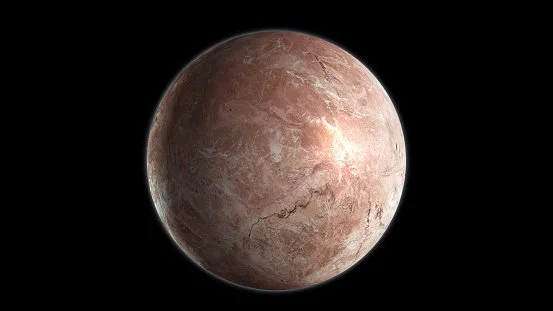
Distance from the Sun: 6.8 billion km (45 AU or 6.25 light hours)
Diameter: 1,430 km
Rotation period: 11.4 hours
Orbital period: 306 years
ERIS
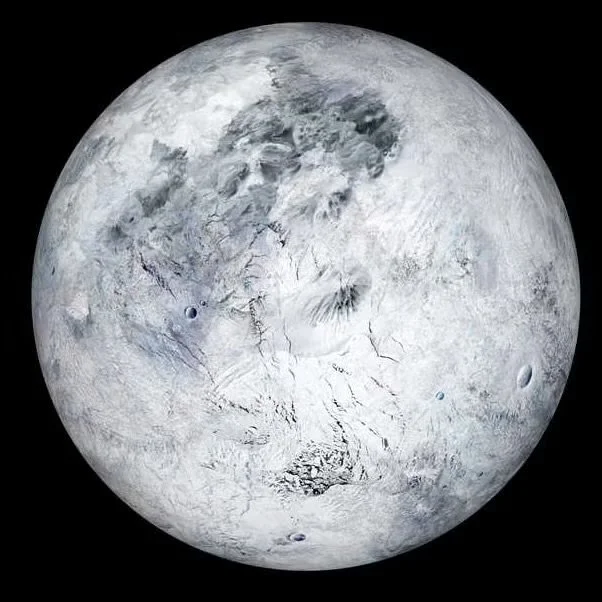
Distance from the Sun: 10.1 billion km (67.7 AU or 9.4 light hours)
Diameter: 2,325 km
Rotation period: 15.8 days
Orbital period: 560 years